This book is a contemporary Japanese manga that tackles issues such as fatphobia, eating disorders, self-esteem and beauty standards.
As such, this book can be classified within the narrative genre as a manga or graphic novel, and further subclassified as a psychological and social drama aimed at an adult female audience (josei).
This is the first Spanish edition, published by Ponent Mon, a publisher specialising in comics and graphic novels, particularly by international authors. This book is available in English.
Publication date: 1997
Country: Japan
Pages: 264
Reading date: April 2021
Rating: 3/5
The author of this manga is Moyoco Anno (Tokyo, Japan, 1971–), a Japanese artist and scriptwriter specialising in manga. She studied at the private Shōtoku Gakuen High School in Musashino and began her professional career in 1989, whilst still a student. She subsequently worked as an assistant to the renowned mangaka Kyōko Okazaki. Her work explores themes such as female identity, beauty standards, romantic relationships and social pressures. Throughout her career, she has received various awards, including the 29th Kōdansha Manga Award in 2005 and the Excellence Award at the 23rd Japan Media Arts Festival, presented in 2020. Her work is characterised by an expressive artistic style and the portrayal of complex female characters, particularly within manga aimed at adult women (josei).
Other books published by her are:
Sakuran (2001)
Sugar Sugar Rune (2003)
Tokio Style (2004)
Within the list of other books published by the same author, those for which there is already a post in this blog are highlighted.
Click on it to read it!
I came across this book on the recommendation of someone very special to me. Knowing my interest in mental health, they shared this manga with me, which I read as soon as I could.
The manga tells the story of Noko, a young woman who suffers from workplace bullying, insecurity and a deep emotional dependence on her boyfriend, who manipulates her and is unfaithful. As a way of escaping her suffering, the protagonist decides to lose weight, believing that her physical appearance is the cause of her problems. This leads her to develop bulimia and suffer psychological distress.
The protagonist, it turns out, is a character who makes decisions that are detrimental to herself, who is insecure and contradictory. This, I believe, lends psychological realism to the work by emphasising Noko’s humanity.
However, I found the supporting characters to be excessively cruel. I think the bullying, malice and manipulation on the part of Noko’s circle of friends are so exaggerated that they lose their credibility. I believe this exaggeration is intentional on the author’s part to highlight social violence, but in my opinion it ends up turning these characters into caricatures.
«Sometimes men say really horrible things to me. Maybe I’ve done something wrong, but I honestly don’t know why it happens».
Noko
One of the contributions of this manga is that it denounces not only fatphobia, but also the sexual objectification of women, as even those characters who conform to beauty standards are subject to male expectations. This encourages reflection on power relations and the dynamics of emotional dependence.
On the other hand, I think that the way the story deals with eating disorders can sometimes be counterproductive. I believe there are scenes – or even the ending itself – which could convey confusing messages or be harmful to vulnerable people. Sometimes the line between portraying self-destructive behaviour and encouraging it is not entirely clear.
Thus, the work’s pessimistic ending can be interpreted in two ways: either as a realistic portrayal of the difficulty of breaking self-destructive patterns, or as a missed opportunity to psychologically develop Noko, the protagonist.
«I felt as though I were wearing a coat made of fat that I couldn’t take off».
Noko
As for the artwork’s style, I have to be honest and say that I didn’t like it very much. I found it too simplistic, unattractive and as though it were a rough sketch rather than the final published version. Some people might call this a grotesque style and argue that it suits the tone of the story, but I saw it more as rather half-baked.
«All I need to do is eat. Then I don’t have to think about anything».
«I don’t want to go back to the way I was. I’ll never forget it. I have to lose weight».
Noko
In conclusion, I believe that In Clothes Called Fat is an unsettling and provocative work, whose strength lies in challenging the belief that achieving a certain ideal of beauty guarantees happiness. The objectification of women does not disappear when Noko loses weight, as society treats women’s appearance as a measure of their personal worth.
On the other hand, on reflection, the work’s pessimistic and circular ending may point in that direction. Noko is unable to free herself from her insecurities because she tries to change her appearance by losing weight without transforming her relationship with herself.
«Do you really think you’ll be happy if you lose weight?».
Fujimoto
Some reflections:
To what extent are we responsible for our insecurities when they have been fuelled by our environment?
Why do we continue to associate thinness with success, happiness and social acceptance?
Can our physical appearance change without our perception of ourselves changing?
Type your e-mail address and click on subscribe to be notified of new content!
This book is a contemporary novel in Spanish literature.
Thus, it can be classified within the narrative genre in the form of a novel and subclassified into categories such as magical realism and philosophical novel.
This is a first edition published by Los Libros del Gato Negro in 2021, an independent Spanish publishing house founded in Aragón in 2015. Its catalogue features fiction, poetry and other literary works, with a particular focus on contemporary authors and works of a unique nature. The publisher is committed to high-quality production and to raising the profile of voices seeking to carve out a space for themselves outside the major commercial circuits. This book has not been translated into English.
Publication date: 2021
Country: Spain
Pages: 352
Reading date: April 2023
Rating: 2/5
The author is Pablo J. Rico (Zaragoza, Spain, 1955–), a Spanish writer, art historian and exhibition curator. He graduated with a degree in Philosophy and Arts from the University of Zaragoza, specialising in Modern and Contemporary History and Art History, and went on to further his training in education and the management of cultural institutions. Throughout his career, he has directed institutions such as the Pablo Gargallo Museum in Zaragoza and the Pilar and Joan Miró Foundation in Mallorca, as well as curating hundreds of exhibitions in numerous countries. His international experience and knowledge of art have profoundly influenced his writing. Following an extensive career as a historian, art critic and author of specialist publications, he made his debut as a novelist with Pau, the Man Who Gazes into the Distance, a work of autofiction which combines personal experiences, travel, art and literary imagination.
I came across this book by chance whilst living in Zaragoza in 2022. It was 23rd April, St George’s Day, and stalls set up by various publishers and bookshops had been erected on Paseo Independencia, selling books. Whilst out for a stroll, I bought this one. I must say that the author was a very good salesman and, with a touch of mystery and poetry, managed to persuade me to buy a copy.
«Yes, diabolical, as opposed to the ‘symbolic’ – that which enables us to weave meaning and create interpretations of what is apparently hidden or simply concealed. To fall into the ‘diabolical’ would be like a condemnation to the madness of meaninglessness, to the loss of language as an instrument of knowledge, expression, communication, the debate of ideas and consensus; the loss of perspectives and the future – in other words, chaos, war, fanaticism…».
Pau
The plot of the novel begins when Valerie Wolfman, a Mexican writer and editor, receives an anonymous manuscript entitled A Fragmented History of Pablo Llanes and Other Paulinian Tales. Upon reading it, she discovers a collection of stories that blend personal experiences, unexpected events, philosophical reflections and mystery. The work revolves around Pau, Pablo or Paul, who are different identities of the same protagonist linked to the art world. He has experiences across multiple countries, has various romantic relationships and meets people who shape his understanding of reality; through his interactions with them, he finds himself in situations which make him question the meaning of existence. Valerie herself, after reading the manuscript, in an attempt to give it coherence, reorganises its parts to turn it into a work of fiction, and the book itself is the result.
«I irrationally maintain that beings and things are subject to the power and whims of Fate. It is Fate, or ‘ontological chance’—call it what you will—that expresses itself with absolute eloquence in this natural unfolding of the events that constitute our existence. The world has never been inert, formless or merely causal; otherwise, it would be something meekly equidistant, and nothing and no one would be of any decisive importance. So why do we ever come across any unprecedented wonders? How do we recognise them? I believe in a world marvellously linked by an unceasing succession of metamorphoses that fascinate us, not by mere cycles of scientific causes and statistically predictable effects. Life always surprises us with its unexpected and unforeseen events. The uncertain nature of their appearance and encounter is also the enigma of their disappearance and parting – death or estrangement, who knows. There are things that happen to us without us having wanted them, and yet they happen. That dizzying whirl of people and things appearing and disappearing with astonishing speed in our lives is what renders our feeble attempts at rational understanding futile; it is what unsettles and seduces us at the same time. We spend our time inventing causes to ward off our inability to sense the natural flow of the universe. Forms and appearances are nothing more than the pure manifestation of an absolute necessity: that of coming together to change the world — for what else, if not that? — and so any attempt at a rational explanation or justification in the name of mathematics is superfluous. Everything is moving very quickly; we must remain alert, not distracted in the slightest, lest any of the wonders that Destiny has jealously guarded for us pass us by unnoticed. Life flows at the speed of light-years per second; writing, too, moves faster than the assembly of concepts and the grasping of meanings. We write as we live, we live as we write—in any case, bewildered as much by the sudden appearance of certain words or specific events as by their singular eloquence. It is these words that we immediately make the very heart and centre of our literature; things which, however commonplace they may seem at first glance, we sense will be unrepeatable merely by catching a glimpse of their spark… Don’t tell me you don’t believe in this magic? Yes, magic: something random and unpredictable by nature… Your stories, your narrative, are full of such ‘magical revelations’. There are so many words, so many ordinary things and situations in his stories that resonate with me—they’re like a snap of the fingers right by my temples! If only you knew…».
Pablo
The novel’s narrative is in itself a subject for reflection, as the book offers an unconventional literary experience by weaving together interlinked stories, playing with identities, perspectives and narrative forms, which helps the reader to view the protagonist’s personality from different angles and to question the boundary between reality and fiction. Furthermore, the author’s own professional background in the art world is palpable, with numerous references that allow art to be linked to human experiences.
The work invites reflection on universal issues by addressing philosophical themes such as identity, destiny, desire, love, chance and the meaning of existence… Furthermore, it is noteworthy how the theme of unexpected encounters plays a fundamental role, as it is these that cause the protagonist to alter his course and his interpretation of reality.
As for the writing style, it is meticulous, featuring numerous detailed descriptions and a rich blend of narrative and reflection. The aesthetic dimension of the settings and the characters features prominently.
«Human beings need symbols to penetrate the realm of the hidden, of the ineffable mysteries, which they could otherwise neither traverse nor follow in their winding, invisible wake. Symbols are like fireflies on a moonless night at the bottom of a canyon with impregnable walls and a bed of jagged icebergs. These magical insects do not fully light the way, but we recognise its limits: the vertical abysses dotted with those tiny, expectant flying stars; the vastness of the void that contains and defines us. Beyond the initial ecstasy at the poetic vision of the fireflies-as-symbols, we begin to glimpse other wonders even with our eyes closed, blindfolded, or blinded—it amounts to the same thing. They are muted lights, of the same substance as darkness, yet more subtle».
Paul
When it comes to discussing the aspects of the book that I find challenging, I realise that often the very elements we value most in a work can be the same ones that make it difficult for us to enjoy the story. Whilst I have appreciated how the novel combines different narratives with a high degree of experimentation with perspectives, I sometimes found this too fragmented, as it gave me a sense of disarray and I lost the thread of the story. One could say that at times I felt the desire for literary experimentation took precedence over the plot. And at certain moments, this drive for experimentation struck me as verging on pedantry, at the expense of the story’s cohesion.
On the other hand, the author is a cultured man, a professional in the art world. This is very interesting in his philosophical reflections and in the presence of the aesthetic dimension. However, I feel that he sometimes overuses cultural references, which makes it difficult to follow certain passages of the narrative.
«So, what is the purpose of labyrinths? Why are they invented? Why are they built? Simply to attract the attention of the unwary? To take refuge within them or to hide a treasure inside? What is the purpose of labyrinthine books, apart from the pleasure of writing them and constructing them like literary architects, and imagining the success of our traps…? I believe that, generally speaking, literary labyrinths serve to attract the attention of the curious—whether they be brave or unwary—specifically that sort of mystery-seeker who hopes for answers that are jealously guarded, hidden and secret, and who are not content with the comfort of their conventional certainties; in other words, those who are beguiled by the invisible. Literary labyrinths, like those in art—a painting, for example—are artefacts that first, in some way, satisfy the imagination and expectations of their victims; they stimulate their desires and grant them a kind of hope amidst the anguish of their despair. A writer or a painter does not create such artefacts to take refuge in them, but rather to display them before the eyes of others and draw their attention away from the undifferentiated mass of the ordinary, the conventional and the everyday. One of the absolutely essential qualities in an artist is their ability to captivate the gaze of others, as a skilled craftsman of seductive artefacts that catch the eye of their readers or viewers and draw them in. But mere attraction to the glitter of the surface is not enough—that sort of sudden, fragile, fleeting hypnosis employed by the fairground magician and the con artist of sensations. The artist must draw the curious and yearning spectator into the depths of their labyrinth with a certain ineffable light that dazzles them. Only then will their strategy and the pleasure of concealing what they intend to reveal—or, conversely, of making one believe that something is hidden deeper than what is seen, to the point of making one believe in the invisible—be fulfilled… Patricia, do not forget that every ideal author requires an ideal reader, and vice versa, as Umberto Eco pointed out; and that Duchamp said that paintings are also made by the onlookers».
Pau
I also experienced the fragmentation mentioned above in my emotional connection with the protagonist. I think it is more of a novel intended to provoke philosophical reflection and serve as a literary experiment than one designed to help the reader connect with the characters. The presence of the protagonist’s different identities and perspectives, whilst enriching his characterisation, also created a sense of distance. I found it difficult to connect with a protagonist who had so many versions of himself, although I was aware that this was part of the literary experiment.
«Artists and poets know full well that creative intuition and imagination, alongside their experience of daring to challenge the unknown, are what truly bring their works to life and reveal inseparable connections. Art for art’s sake is not enough; nor do I believe in a supposed artistic destiny that shapes all of this. A manifest ‘will to art’ is essential. Just as artists rely on beauty and truth to breathe life into their creations, and find joy in sharing their creations with their fellow spectators, so too does the whole of humanity entrust its happiness to Love. But this is not an abstract, invisible happiness or love, like the dark matter of the universe, but something as visible and concrete as a work of art. We likewise create our artefacts of love thanks to our intuition, imagination and emotional experience—which is nothing other than daring to love and be loved. Of course, chance and circumstance play a part, but no more so than patient longing for love and our sensitivity in recognising its wonders…».
«Romantic desire instils hope in the errant beings who wander through the indeterminacy of space and time without yet knowing or understanding one another. Their encounter depends as much on their objective natural reality (within the universal process of seduction) as on their shared longing for closeness—that is, the desire to be together and to share one another… Let us imagine: two beings meet for an instant at a shared sacred centre of the universe. They are wandering bodies and souls, adrift in their own particular nothingness, who have endured—until now in silence—the tension between their inner solitude and the ‘empty-fullness’ that surrounds them. Their first glances are a balm for their recent blindness and invisibility. Their bodies immediately crave the caresses and scents they had longed for: the sweat and warmth of their cheeks, the moisture of their kisses, and all the fluids held within their organs and viscera; the raucousness of their moans. Both give themselves with extreme generosity in the ritual of an inextricable embrace. Their love is revealed in all its splendour through the miraculous metamorphoses of their bodies and the banishment of all logical reasoning as they surrender to their pleasure. The mystery of such encounters lies in the overwhelming power of their irrational longing for love. They begin to love one another despite their contrasting circumstances, the doubts of others, and the ever-present threat of being forgotten. They will even part ways, despite the intoxicating power of their memories… And although we know that a romantic encounter need not last forever, that everything may come to an end sooner or later, we cannot help but hope that on this occasion it will be lasting, perhaps without an expiry date… —‘Of course, “if Fate wills it and it was meant to be”,’ you will add, impervious to my arguments—. ‘Romantic encounters are as necessary as partings—and just as inevitable…’ Aren’t they?».
Pablo
Ultimately, Pau, the Man Who Gazes into the Distance is an ambitious novel which, despite its original premise and an interesting cultural and philosophical backdrop, does not always succeed in transforming its numerous ideas into a truly cohesive narrative. Its fragmentary structure, the accumulation of experiences and the constant reflective digressions ultimately hinder the development of a solid plot and detract from the characters’ development. At times, it seems as though the author is more interested in conveying his knowledge and intellectual concerns than in constructing a story capable of holding the reader’s interest. Although the work contains thought-provoking passages and valuable reflections on identity, love and existence, its narrative disjointedness and uneven pace can make reading it a demanding and somewhat unsatisfying experience.
A novel with interesting ideas and clear literary aspirations, but one which, in my opinion, lacks narrative cohesion, fluidity, rhythm and the ability to hold the reader’s interest.
Some reflections:
Can a novel’s intellectual ambition end up overshadowing the story it sets out to tell?
Do you see narrative fragmentation as an enriching device or as an obstacle to connecting with the characters?
Do you prefer novels that provide answers, or those that leave you with more questions than certainties?
Type your e-mail address and click on subscribe to be notified of new content!
Este libro es una novela contemporánea dentro de la literatura inglesa.
Así pues, este libro se puede clasificar dentro del género narrativo bajo la forma de una novela y subclasificar en categorías tales como la novela fantástica y la experimental principalmente.
Esta es una segunda edición publicada por Alianza Editorial en 2012, siendo este ejemplar parte de una quinta reimpresión en 2022, perteneciente a la colección El libro de bolsillo/Bibliotecas de autor, con ilustraciones de la edición original. Alianza Editorial es una editorial española fundada en 1966 por José Ortega Spottorno, que desde 1989 pertenece al Grupo Anaya, integrado a su vez en Hachette Livre desde 2004. Destaca por su prestigiosa colección El libro de bolsillo, creada para acercar la cultura a un público amplio, y por publicar clásicos de la literatura española y universal, narrativa contemporánea, filosofía, ensayo y obras de divulgación. Este libro sí está publicado en inglés.
Año de publicación: 1928
País: Reino Unido
Páginas: 304
Fecha de lectura: octubre de 2023
Puntuación: 3/5
La autora es Virginia Woolf (Londres, Inglaterra, 1882 – Lewes, Inglaterra, 1941). Fue una escritora, ensayista, crítica literaria y editora británica, considerada una de las figuras más importantes del modernismo literario del siglo XX. Nació con el nombre de Adeline Virginia Stephen en una familia de intelectuales y recibió una amplia educación principalmente en casa, aunque también asistió a clases en el King’s College de Londres. En 1912 se casó con el escritor Leonard Woolf, con quien fundó en 1917 la editorial The Hogarth Press. Formó parte del influyente Grupo de Bloomsbury y destacó por su estilo experimental, especialmente por el uso del flujo de conciencia y la exploración de la identidad, la memoria y el tiempo. Fue también una figura fundamental del pensamiento feminista. Su relación con la escritora Vita Sackville-West inspiró la creación de Orlando. Tras sufrir diversos episodios de enfermedad mental a lo largo de su vida, murió por suicidio en 1941, a los 59 años.
Otros libros de la misma autora son:
La señora Dalloway (1925)
Al faro (1927)
Una habitación propia (1929)
Las olas (1931)
Tres guineas (1938)
Dentro del listado de otros libros publicados por la autora aparecen resaltados aquellos de los cuales hay entrada ya en este blog.
¡Haz clic en él para leerla!
De Virginia Woolf solo había leído dos ensayos que me regaló una persona muy especial una vez, así como una de sus novelas llamada La señora Dalloway. No había sido una autora que hasta ese momento me hubiese enganchado particularmente aunque mantuviera el objetivo de leerme todas sus obras, sin embargo fue entonces cuando conocí Orlando.
Orlando fue uno de los libros que leí participando en un club de lectura mensual organizado por Tuuulibrería, la librería de libros de segunda mano de Madrid donde fui voluntario durante mis estudios universitarios. No obstante, pese a que mi voluntariado fue en dicha época, la organización del club de lectura por esta librería fue posterior, cuando yo ya me encontraba viviendo en Zaragoza entre 2021/2023 haciendo las prácticas de la especialidad en Enfermería de Salud Mental. Echaba de menos compartir mi gusto por la lectura y sentía nostalgía por mis tiempos de voluntariado en Tuuulibrería, así que cuando me enteré que organizaban un club de lectura, lo tuve claro y quise participar. Orlando fue el primer libro para el club de lectura con el cual iniciaron si no recuerdo mal. Más adelante participé de nuevo con otro libro y luego por la distancia e incompatibilidad de agenda no pude seguir, pero fue divertido mientras duró.
«En el mismo instante, pues, la sociedad lo es todo y la sociedad no es nada. La sociedad es la mixtura más potente del mundo y la sociedad no tiene existencia alguna. Con tales monstruos sólo los novelistas y los poetas pueden lidiar; de tales algos-nadas están desaforadamente repletas sus obras; a ellos se lo dejamos con la mejor voluntad del mundo».
Narrador
La novela gira en torno a la vida de un joven aristócrata inglés de la época isabelina, el cual no envejece a lo largo de los siglos. Experimenta amores, desengaños, realiza viajes y es testigo de cambios sociales. Un día, durante una estancia en Constantinopla, despierta convertido en mujer. A partir de entonces, Orlando debe afrontar las diferentes expectativas y limitaciones que la sociedad impone a las mujeres, a la par que busca su identidad y desarrolla su vocación por la literatura.
La obra sigue así diferentes épocas de la historia inglesa hasta llegar a principios del siglo XX. Se trata de una obra que combina fantasía, sátira y reflexiones filosóficas en torno al género, el tiempo y la creación artística.
De esta manera, la ambientación histórica cambiante permite observar cambios culturales y sociales desde una perspectiva interesante, la de Orlando, siendo este un vehículo narrativo para llevar a cabo una crítica social y feminista, pues la autora pone en evidencia las desigualdades entre hombres y mujeres mostrando cómo las convenciones sociales cambian según la época. Así, en el personaje de Orlando, el combinar una vida de varios siglos con una transformación de sexo ayuda a cuestionar las limitaciones habituales de los sujetos al tiempo, la identidad y al género.
«Recordó que cuando era hombre exigía que las mujeres fueran obedientes y castas, que aparecieran perfumadas y exquisitamente ataviadas. «Ahora tendré que pagar en carne propia por esas exigencias», reflexionó; «porque las mujeres, a juzgar por mi corta experiencia, no somos naturalmente obedientes y castas, ni nacemos perfumadas y exquisitamente ataviadas. Sólo la más tediosa disciplina nos alcanza esas gracias, sin las cuales no podemos disfrutar de ninguno de los deleites de la vida. Hay que peinarse», pensó, «y sólo eso me llevará una hora cada mañana; hay que mirarse en el espejo, otra hora; hay que encorsetarse y atarse; hay que lavarse y empolvarse; hay que cambiarse de la seda al encaje, y del encaje al satén de Lyon; y hay que ser pura año tras año…» Ahí dio un puntapié de enfado y enseñó un par de dedos de pantorrilla. Un marinero subido al mástil, que casualmente bajaba los ojos en ese momento, dio un respingo».
Narrador
«El hombre mira al mundo de frente, como si estuviera hecho para su conveniencia y aderezado a su gusto. La mujer le lanza una mirada de soslayo, llena de sutileza, de suspicacia incluso. Si los dos hubieran vestido la misma ropa, es posible que su manera de pensar hubiera sido también la misma.
Tal es el parecer de algunos filósofos que no dejan de ser sabios, pero en conjunto nosotros nos inclinamos por otro. Felizmente, la diferencia entre los sexos es una diferencia de gran hondura. La ropa no es sino un símbolo de algo escondido muy adentro. Fue un cambio en la propia Orlando lo que dictó su elección de indumentaria de mujer y sexo de mujer. Y quizá en ello no hiciera sino expresar un poco más francamente de lo habitual —es innegable que la franqueza estaba en la esencia de su ser— algo que le sucede a la mayoría de las personas sin manifestarse de ese modo tan patente. Pues aquí de nuevo nos tropezamos con un dilema. Por diferentes que sean los sexos, se entremezclan. En todo ser humano hay una vacilación de un sexo al otro, y a menudo es sólo la ropa lo que mantiene la apariencia masculina o femenina, mientras que por debajo el sexo es lo contrario de lo que es por encima. De las complicaciones y confusiones resultantes todo el mundo ha tenido experiencia; pero dejamos aquí la cuestión general, y nos limitamos a señalar el extraño efecto que tuvo en el caso particular de Orlando.
Porque era esa mezcla que había en ella de hombre y mujer, unas veces mandando el uno y otras veces la otra, lo que a menudo daba a su conducta un giro inesperado. Los curiosos de su sexo argumentarían, por ejemplo, que si Orlando era mujer, ¿Cómo no tardaba nunca más de diez minutos en vestirse? Y su ropa, ¿no estaba escogida un poco al azar, y a veces hasta raída? Y después dirían: de todas maneras, le falta la gravedad de un hombre, y el afán de poder que tienen los hombres».
Narrador
Relacionado con lo ya descrito, cabe destacar la originalidad de la novela en cuanto a su clasificación pues combina diversos subgéneros. Woolf consigue que una sola novela se considere fantástica (por la longevidad extraordinaria del protagonista y su transformación de sexo), experimental (por su estructura innovadora y técnicas narrativas), histórica (pues recorre diferentes épocas de la historia inglesa), satírica (crítica social y feminista) y modernista (exploración de la subjetividad y experimentación formal). Además, está escrita en forma de biografía, imitando y parodiando dicho género al ser una biografía ficticia la de Orlando.
«La vida le parecía de una longitud prodigiosa. Aun así, pasaba como un relámpago. Pero ni siquiera cuando más se estiraba, y los momentos se hinchaban más, y le parecía vagar solo por desiertos de vasta eternidad, tenía tiempo para alisar y desentrañar aquellos pergaminos llenos de tachaduras que treinta años de estar entre hombres y mujeres habían enrollado prietos en su corazón y su cerebro. Mucho antes de que acabara de pensar en el Amor (mientras el roble echaba hojas y las dejaba caer una docena de veces), la Ambición le comía el terreno a codazos, para ser desalojada a su vez por la Amistad o la Literatura. Y como la primera cuestión no se había resuelto —¿Qué es el Amor?—, volvía a hacerse presente a la menor provocación o sin ella, y empujaba a los rincones a los Libros o las Metáforas o ¿Para qué vivimos?, que allí tenían que esperar hasta que vislumbraban la ocasión de tornar a la refriega».
Narrador
Por otro lado, el ritmo de la narración es irregular, pues algunos episodios de la historia de Orlando avanzan ágiles mientras que otros se detienen en largas, aunque estimulantes, reflexiones o descripciones. Además, existen múltiples referencias a la historia inglesa, a sus costumbres y escritores, lo cual puede hacer que algunos lectores en ocasiones se pierdan sin un contexto (como me pasó a mí en algunos puntos de la lectura). Woolf también, ejecuta una narración con múltiples saltos y cambios de enfoque que pueden dificultar el seguimiento atento de la historia. Especialmente, al final del libro, la escritura me resultó más exigente y densa, puede que por su carácter experimental. Esto en mi caso, por un lado me estimuló, dada la creatividad de la escritura de Woolf en esta novela, como por otro lado me ocasionó dificultades para vincularme con Orlando cuando el peso recae más en el carácter experimental de la obra y no tanto en conectar con el personaje. El siguiente pasaje es un ejemplo de a lo que me refiero con momentos en los que puedes conectar con el personaje pero una larga y extensa narración experimental con múltiples asociaciones te alejan de ello:
«En mis manos no habrá anillo de boda», continuó, sacándoselo del dedo. «Las raíces se enroscarán en ellas. ¡Ah!», suspiró, hundiendo la cabeza con deleite en la esponjosa almohada. «He estado buscando la felicidad en muchas épocas y no la he encontrado; la fama y se me ha escapado; el amor y no lo he conocido; la vida…, y hete aquí que la muerte es mejor. He conocido a muchos hombres y muchas mujeres», prosiguió; «no he entendido a ninguno. Es mejor que repose aquí en paz, sin otra cosa que el cielo sobre mí; como me dijo el gitano hace años. Eso fue en Turquía.»
Y al mirar justamente arriba, vio la maravillosa espuma de oro en que habían cuajado las nubes, y al momento siguiente vio en ella un camino, y una fila de camellos que atravesaban el desierto pedregoso entre nubes de polvo rojo; y luego, una vez que pasaron los camellos, sólo quedaron montañas, muy altas y llenas de grietas y con pináculos de roca, y creyó oír esquilas de cabras en los desfiladeros, y en los pliegues había campos de lirios y gencianas. Así cambió el cielo, y sus ojos fueron bajando despacio hasta alcanzar la tierra oscurecida por la lluvia y ver la enorme giba de las South Downs, como el romper de una ola a lo largo de la costa; y donde la tierra se dividía estaba el mar; el mar con barcos que pasaban; y creyó oír un cañonazo lejos, mar adentro, y primero pensó: «Es la Armada», y luego pensó: «No, es Nelson», y luego se acordó de que ya habían pasado esas guerras y los barcos eran afanosos barcos mercantes; y las velas sobre el sinuoso río eran de embarcaciones de placer. Vio también ganado disperso por los campos oscuros, ovejas y vacas, y vio que aquí y allá se iban encendiendo luces en las ventanas de las alquerías, y faroles que circulaban entre el ganado al hacer sus rondas el pastor y el vaquero; y luego se apagaron las luces y las estrellas despuntaron y se enmarañaron en el cielo. En realidad se estaba quedando dormida, con las plumas mojadas sobre la cara y la oreja contra el suelo, cuando oyó, muy adentro, un martillo sobre un yunque, ¿o era el latido de un corazón? Tic-toc, tic-toc, así martilleaba, así latía, el yunque o el corazón en lo hondo de la tierra; hasta que, escuchando, le pareció que se había convertido en el trote de los cascos de un caballo, uno, dos, tres, cuatro, contó; después oyó un tropezón; después, mientras se acercaba más y más, oyó quebrarse una ramita y la succión del terreno encharcado en los cascos. El caballo se le venía encima. Orlando se incorporó. Destacándose oscuro sobre el cielo rayado de amarillo del amanecer, entre chorlitos que subían y bajaban, vio un hombre a caballo. Él dio un respingo. El caballo se detuvo.
—¡Señora! —gritó el hombre, echando pie a tierra—. ¡Está usted herida!
—¡Estoy muerta, señor! —replicó ella»
Narrador
En conclusión, Orlando me ha parecido una novela muy original, inteligente y estimulante. Uno de sus mayores aciertos es la crítica social que Virginia Woolf desarrolla con ironía y sutileza, especialmente en torno a las convenciones de género. El hecho de que Orlando atraviese varios siglos y experimente un cambio de sexo me parece un recurso narrativo extraordinariamente creativo, que permite explorar cómo varían las expectativas sociales sobre lo que significa ser hombre o mujer según la época.
También he disfrutado de su prosa ingeniosa, de las reflexiones sobre la creación literaria, la naturaleza y las relaciones humanas, así como de su particular manera de combinar diversos subgéneros de novela. Sin embargo, las últimas cincuenta páginas han empañado mi valoración general. En ese tramo, Woolf intensifica tanto su experimentación narrativa que la prosa se vuelve más densa y fragmentaria, el hilo argumental se diluye y la lectura pierde fluidez, dificultando la conexión con el protagonista. Aunque entiendo que se trata de una elección estilística deliberada que a otras personas les puede agradar, en mi caso, personalmente me ha alejado de una historia que hasta entonces estaba disfrutando mucho.
Pienso que esto plantea una pregunta que es hasta qué punto una novela puede experimentar con su forma sin sacrificar la conexión del lector con la historia. En mi caso, disfruto de la experimentación cuando enriquece la historia, pero no cuando dificulta mi relación con ella. Supongo que todo trata de encontrar un equilibrio entre originalidad y legibilidad, el cual muchas veces es complicado, así como también agradar a todos los lectores y lectoras.
«Era una hermosa noche de principios de abril. Un millón de estrellas, mezclándose con la luz de una luna menguante, a su vez reforzada por la de los faroles, daban una claridad infinitamente favorecedora para la fisonomía humana y para la arquitectura del señor Wren. Todo se presentaba en su forma más tierna; pero cuando parecía estar a punto de disolverse, una gota de plata lo definía y animaba. Así debería ser la conversación, pensó Orlando (dejándose llevar por una ensoñación absurda); así debería ser la sociedad, así debería ser la amistad, así debería ser el amor. Pues, sabe Dios por qué, en el momento en que hemos perdido la fe en el trato humano, una disposición casual de unos pajaros y unos árboles, o de un almíar y una carreta, nos ofrece un símbolo tan perfecto de lo inalcanzable que reemprendemos la búsqueda».
Narrador
Algunas reflexiones:
¿Son las diferencias entre hombres y mujeres tan naturales como creemos, o responden en gran medida a construcciones culturales?
¿Cómo cambiaría nuestra forma de entender la vida si pudiéramos vivir durante varios siglos?
¿Cuánto de nuestra identidad nos pertenece realmente y cuánto viene determinado por la época y la sociedad en la que vivimos?
¡Escribe tu correo electrónico y pulsa en suscríbete para recibir avisos de nuevo contenido!
This book is a contemporary novel in English literature.
Thus, this book can be classified within the narrative genre as a novel and further subclassified into categories such as fantasy and experimental fiction, amongst others.
This is a second edition published by Alianza Editorial in 2012; this copy is part of a fifth reprint in 2022, belonging to the ‘El libro de bolsillo/Bibliotecas de autor’ collection, featuring illustrations from the original edition. Alianza Editorial is a Spanish publishing house founded in 1966 by José Ortega Spottorno; since 1989 it has been part of the Anaya Group, which in turn has been part of Hachette Livre since 2004. It is renowned for its prestigious ‘El libro de bolsillo’ collection, created to bring culture to a wide audience, and for publishing classics of Spanish and world literature, contemporary fiction, philosophy, essays and popular science works. This book is available in English.
Publication date: 1928
Country: United Kingdom
Pages: 304
Reading date: October 2023
Rating: 3/5
The author is Virginia Woolf (London, England, 1882 – Lewes, England, 1941). She was a British writer, essayist, literary critic and editor, regarded as one of the most important figures of 20th-century literary modernism. She was born Adeline Virginia Stephen into a family of intellectuals and received a broad education, mainly at home, although she also attended classes at King’s College, London. In 1912, she married the writer Leonard Woolf, with whom she founded the publishing house The Hogarth Press in 1917. She was a member of the influential Bloomsbury Group and was noted for her experimental style, particularly her use of stream of consciousness and her exploration of identity, memory and time. She was also a key figure in feminist thought. Her relationship with the writer Vita Sackville-West inspired the creation of Orlando. After suffering from various episodes of mental illness throughout her life, she died by suicide in 1941, aged 59.
Other books by the same author are:
Mrs Dalloway (1925)
To the Lighthouse (1927)
A Room of One’s Own (1929)
The Waves (1931)
Three Guineas (1938)
Within the list of other books published by the same author, those for which there is already a post in this blog are highlighted.
Click on it to read it!
I had only ever read two essays by Virginia Woolf – which a very special person had once given me as a gift – as well as one of her novels called Mrs Dalloway. She hadn’t been an author who had particularly captivated me up to that point, although I still intended to read all her works; however, it was then that I discovered Orlando.
Orlando was one of the books I read whilst taking part in a monthly book club organised by Tuuulibrería, the second-hand bookshop in Madrid where I volunteered whilst at university. However, although my volunteering took place during that period, the book club organised by this bookshop came later, when I was already living in Zaragoza between 2021 and 2023, doing my internship in the Mental Health Nursing speciality. I missed sharing my love of reading and felt nostalgic for my time volunteering at Tuuulibrería, so when I found out they were organising a reading club, I knew straight away that I wanted to take part. Orlando was the first book for the reading club, if I remember correctly. Later on, I took part again with another book, but then, due to the distance and scheduling issues, I couldn’t carry on – though it was great fun whilst it lasted.
«Has the finger of death to be laid on the tumult of life from time to time lest it rend us asunder? Are we so made that we have to take death in small doses daily or we could not go on with the business of living? And then what strange powers are these that penetrate our most secret ways and change our most treasured possessions without our willing it? Had Orlando, worn out by the extremity of his suffering, died for a week, and then come to life again? And if so, of what nature is death and of what nature life?».
Narrator
«At one and the same time, therefore, society is everything and society is nothing. Society is the most powerful concoction in the world and society has no existence whatsoever. Such monsters the poets and the novelists alone can deal with; with such something-nothings their works are stuffed out to prodigious size; and to them with the best will in the world we are content to leave it».
Narrator
The novel centres on the life of a young English aristocrat from the Elizabethan era, who does not age over the centuries. He experiences love and heartbreak, goes on journeys and witnesses social changes. One day, whilst staying in Constantinople, he wakes up to find himself transformed into a woman. From then on, Orlando must come to terms with the various expectations and constraints that society imposes on women, whilst searching for her identity and developing her passion for literature.
The work thus covers different periods of English history up to the early 20th century. It is a work which combines fantasy, satire and philosophical reflections on gender, time and artistic creation.
In this way, the shifting historical setting allows us to observe cultural and social changes from an interesting perspective – that of Orlando – who serves as a narrative vehicle for social and feminist critique, as the author highlights the inequalities between men and women by showing how social conventions change over time. Thus, in the character of Orlando, the combination of a life spanning several centuries with a change of sex helps to challenge the usual constraints placed on individuals by time, identity and gender.
«She remembered how, as a young man, she had insisted that women must be obedient, chaste, scented, and exquisitely apparelled. ‘Now I shall have to pay in my own person for those desires,’she reflected; ‘for women are not (judging by my own short experience of the sex) obedient, chaste, scented, and exquisitely apparelled by nature. They can only attain these graces, without which they may enjoy none of the delights of life, by the most tedious discipline. There’s the hairdressing,’ she thought, ‘that alone will take an hour of my morning, there’s looking in the looking-glass, another hour; there’s staying and lacing; there’s washing and powdering; there’s changing from silk to lace and from lace to paduasoy; there’s being chaste year in year out…’ Here she tossed her foot impatiently, and showed an inch or two of calf. A sailor on the mast, who happened to look down at the moment, started so violently that he missed his footing and only saved himself by the skin of his teeth».
Narrator
«The man looks the world full in the face, as if it were made for his uses and fashioned to his liking. The woman takes a sidelong glance at it, full of subtlety, even of suspicion. Had they both worn the same clothes, it is possible that their outlook might have been the same.
That is the view of some philosophers and wise ones, but on the whole, we incline to another. The difference between the sexes is, happily, one of great profundity. Clothes are but a symbol of omething hid deep beneath. It was a change in Orlando herself that dictated her choice of a woman’s dress and of a woman’s sex. And perhaps in this she was only expressing rather more openly than usual–openness indeed was the soul of her nature–something that happens to most people without being thus plainly expressed. For here again, we come to a dilemma. Different though the sexes are, they intermix. In every human being a vacillation from one sex to the other takes place, and often it is only the clothes that keep the male or female likeness, while underneath the sex is the very opposite of what it is above. Of the complications and confusions which thus result everyone has had experience; but here we leave the general question and note only the odd effect it had in the particular case of Orlando herself.
For it was this mixture in her of man and woman, one being uppermost and then the other, that often gave her conduct an unexpected turn. The curious of her own sex would argue, for example, if Orlando was a woman, how did she never take more than ten minutes to dress? And were not her clothes chosen rather at random, and sometimes worn rather shabby? And then they would say, still, she has none of the formality of a man, or a man’s love of power».
Narrator
In relation to what has already been described, it is worth highlighting the novel’s originality in terms of its classification, as it combines various subgenres. Woolf manages to ensure a single novel is regarded as fantasy (due to the protagonist’s extraordinary longevity and his gender transformation), experimental (due to its innovative structure and narrative techniques), historical (as it spans different periods of English history), satirical (offering social and feminist criticism) and modernist (exploring subjectivity and formal experimentation). Furthermore, it is written in the form of a biography, imitating and parodying the genre, as Orlando’s is a fictional biography.
«Life seemed to him of prodigious length. Yet even so, it went like a flash. But even when it stretched longest and the moments swelled biggest and he seemed to wander alone in deserts of vast eternity, there was no time for the smoothing out and deciphering of those scored parchments which thirty years among men and women had rolled tight in his heart and brain. Long before he had done thinking about Love (the oak tree had put forth its leaves and shaken them to the ground a dozen times in the process) Ambition would jostle it off the field, to be replaced by Friendship or Literature. And as the first question had not been settled–What is Love?– back it would come at the least provocation or none, and hustle Books or Metaphors of What one lives for into the margin, there to wait till they saw their chance to rush into the field again».
Narrator
On the other hand, the pace of the narrative is uneven, as some episodes in Orlando’s story move along briskly whilst others linger over lengthy, albeit stimulating, reflections or descriptions. Furthermore, there are numerous references to English history, customs and writers, which may occasionally leave some readers feeling lost without the necessary context (as happened to me at certain points whilst reading). Woolf also employs a narrative style characterised by frequent jumps and shifts in point of view, which can make it difficult to follow the story closely. In particular, towards the end of the book, I found the writing more demanding and dense, perhaps due to its experimental nature. In my case, on the one hand this stimulated me, given the creativity of Woolf’s writing in this novel, whilst on the other hand it made it difficult for me to connect with Orlando when the emphasis lies more on the experimental nature of the work and less on connecting with the character. The following passage is an example of what I mean by moments when you can connect with the character, but a long and drawn-out experimental narrative with multiple associations pulls you away from that connection:
«My hands shall wear no wedding ring,’ she continued, slipping it from her finger. ‘The roots shall twine about them. Ah!’ she sighed, pressing her head luxuriously on its spongy pillow, ‘I have sought happiness through many ages and not found it; fame and missed it; love and not known it; life–and behold, death is better. I have known many men and many women,’ she continued; ‘none have I understood. It is better that I should lie at peace here with only the sky above me–as the gipsy told me years ago. That was in Turkey.’
And she looked straight up into the marvellous golden foam into which the clouds had churned themselves, and saw next moment a track in it, and camels passing in single file through the rocky desert among clouds of red dust; and then, when the camels had passed, there were only mountains, very high and full of clefts and with pinnacles of rock, and she fancied she heard goat bells ringing in their passes, and in their folds were fields of irises and gentian. So the sky changed and her eyes slowly lowered themselves down and down till they came to the rain-darkened earth and saw the great hump of the South Downs, flowing in one wave along the coast; and where the land parted, there was the sea, the sea with ships passing; and she fancied she heard a gun far out at sea, and thought at first, ‘That’s the Armada,’ and then thought ‘No, it’s Nelson’, and then remembered how those wars were over and the ships were busy merchant ships; and the sails on the winding river were those of pleasure boats. She saw, too, cattle sprinkled on the dark fields, sheep and cows, and she saw the lights coming here and there in farmhouse windows, and lanterns moving among the cattle as the shepherd went his rounds and the cowman; and then the lights went out and the stars rose and tangled themselves about the sky. Indeed, she was falling asleep with the wet feathers on her face and her ear pressed to the ground when she heard, deep within, some hammer on an anvil, or was it a heart beating? Tick-tock, tick-tock, so it hammered, so it beat, the anvil, or the heart in the middle of the earth; until, as she listened, she thought it changed to the trot of a horse’s hoofs; one, two, three, four, she counted; then she heard a stumble; then, as it came nearer and nearer, she could hear the crack of a twig and the suck of the wet bog in its hoofs. The horse was almost on her. She sat upright. Towering dark against the yellowslashed sky of dawn, with the plovers rising and falling about him, she saw a man on horseback. He started. The horse stopped.
– ‘Madam,’ the man cried, leaping to the ground, ‘you’re hurt!’ -‘I’m dead, sir!’ she replied».
Narrator
In conclusion, I found Orlando to be a highly original, intelligent and thought-provoking novel. One of its greatest strengths is the social critique Virginia Woolf develops with irony and subtlety, particularly regarding gender conventions. The fact that Orlando spans several centuries and undergoes a change of sex strikes me as an extraordinarily creative narrative device, which allows the exploration of how social expectations regarding what it means to be a man or a woman vary from one era to the next.
I have also enjoyed its witty prose, the reflections on literary creation, nature and human relationships, as well as its unique way of combining various subgenres of the novel. However, the final fifty pages have marred my overall assessment. In this section, Woolf intensifies her narrative experimentation to such an extent that the prose becomes denser and more fragmentary, the plot thread becomes diluted and the reading loses its flow, making it difficult to connect with the protagonist. Whilst I understand that this is a deliberate stylistic choice which others may appreciate, in my case, it has personally distanced me from a story which I had been thoroughly enjoying up to that point.
I think this raises the question of to what extent a novel can experiment with its form without sacrificing the reader’s connection to the story. Personally, I enjoy experimentation when it enriches the story, but not when it hinders my engagement with it. I suppose it’s all about striking a balance between originality and readability – which is often tricky – as well as appealing to all readers.
«It was a fine night early in April. A myriad stars mingling with the light of a sickle moon, which again was enforced by the street lamps, made a light infinitely becoming to the human countenance and to the architecture of Mr Wren. Everything appeared in its tenderest form, yet, just as it seemed on the point of dissolution, some drop of silver sharpened it to animation. Thus it was that talk should be, thought Orlando (indulging in foolish reverie); that society should be, that friendship should be, that love should be. For, Heaven knows why, just as we have lost faith in human intercourse some random collocation of barns and trees or a haystack and a waggon presents us with so perfect a symbol of what is unattainable that we begin the search again».
Narrator
Some reflections:
Are the differences between men and women as natural as we think, or are they largely the result of cultural constructs?
How would our understanding of life change if we could live for several centuries?
How much of our identity truly belongs to us, and how much is determined by the era and society in which we live?
Type your e-mail address and click on subscribe to be notified of new content!
This book is a collection of micro-stories on various topics.
This book can therefore be classified within the narrative genre as a collection of micro-stories.
This is the first edition published by Punto Rojo Libros, a Spanish publishing house founded in 2004. It specialises in professional self-publishing. As such, its catalogue is broad and covers a wide range of subjects. This book is not available in English.
Publication date: 2021
Country Spain
Pages: 116
Reading date: September 2022
Rating: 4/5
The author is Antonio Pérez-Durántez Bayona (Barcelona, Spain, 1973–). He holds a degree in Hispanic Philology from the University of Zaragoza and has worked as a Secondary School teacher of Spanish Language and Literature. His hobbies include reading and playing the piano. He has only recently begun his career as a writer, having previously published a couple of works in newspapers.
I came across this book by chance in Zaragoza and had the chance to meet the author and get a personal dedication from him. I must say that right from the start, Antonio conveyed his love of literature to me, and I found him to be a creative and intelligent person. Thank you very much for your book of micro-stories, Antonio; it was a real pleasure to read it.
His book contains one hundred micro-stories, as the title suggests, each consisting of exactly one hundred words. At first I thought this was simply a figure of speech, but I stopped to count the words in each micro-story and they do indeed add up to one hundred. To be honest, I found this an incredible feat, as I think it’s difficult to maintain that length in every story whilst ensuring they are well written. Nevertheless, the author succeeds in his endeavour. He uses condensation, ellipsis and economy of language to write stories within that word limit.
«EGOMANIA:
The fundamental premise for doing any work is to regard it as necessary to avoid boredom. The only thing that is impossible to bear is doing nothing.
By that, I do not mean being idle. During leisure time, one engages in activities. Doing nothing is, quite literally, shutting yourself away in a place and suppressing even the slightest desire to carry out any activity.
To achieve this, you need all your strength. You must be like a black hole that completely absorbs all energy and redirects it towards your own self-pity as a useless human being.
This is an unbearable state that can only lead to suicide. It is known by one name: ‘depression’.»
Antonio Pérez-Durántez Bayona
The micro-stories are all independent of one another, and the themes are varied, as is the tone of each one. Some are fantasy, humorous or satirical, whilst others are social commentaries or reflective pieces on happiness and everyday life. As they are so short, they are quick to read; nevertheless, it is a delight to pause and reflect on the depth of the message in some of them. Amongst its other strengths is the ability to craft a surprising or thought-provoking twist at the end using so few words.
«REALITY:
When asked what the truth was and what could be said about it, Hu-Zou replied: «The truth is nothing more than a correspondence, a match between the events as recounted and the events as they actually occurred.
When this match exists, we are speaking the truth. When it does not, we are lying.
Furthermore, as everyone has their own way of recounting events, we can say that there are as many truths as there are people to tell them.
There is no way to state a truth without it being believed.
Whilst the truth is manifold, the lie is but one: everything that is not true.»
Thus concluded Hu-Zou.»
Antonio Pérez-Durántez Bayona
I think about this challenge of limiting oneself to exactly one hundred words in each story, and I cannot help but sometimes feel that it is a constraint or an obligation. Perhaps this means that, in some of the micro-stories, length takes precedence over the story itself. Perhaps this plays in favour of certain stories and against others, as some ideas might require further development, whilst others might actually benefit from brevity.
«DISONANCE:
The city roars, making one’s head spin. Engines and tyres rumble on the tarmac. Drivers honk their horns impatiently. Sirens wail, deafening and alarming. Drills drone on relentlessly. Aeroplanes fly overhead with a thunderous roar. Trains rattle along, shrill. Crowds clatter on, tireless. Stadiums rumble, trembling. Protesters shout, indignant. Schoolchildren squeal, joyful. Children cry, untimely. Musicians play, spirited. Drums roll, stubborn. The bells chime, insistently. The balls bounce, wearily. The dogs bark, tenaciously. The cats meow in heat. The birds chirp, obstinately. The insects buzz, tirelessly. The wind howls, repetitively.
Beneath all this cacophony lies the silent stillness.»
Antonio Pérez-Durántez Bayona
In conclusion, reading this little book has been an enjoyable and stimulating experience. I enjoyed some of the micro-stories more than others – to each their own, as is obvious. Furthermore, I found the 100-word rule striking and a rather impressive exercise in ingenuity. On the one hand, this rule can stimulate the author’s creativity; on the other, it may perhaps constrain it too much. It would be interesting to discuss this question with the author.
Some reflections:
Which is more difficult: writing a long story or ensuring that every word is essential?
Can a micro-story leave the same impression as a novel running to hundreds of pages?
How many words does a good story really need?
Type your e-mail address and click on subscribe to be notified of new content!
This book is a contemporary novel in Spanish literature.
Thus, it can be classified within the narrative genre in the form of a novel and subclassified into categories such as magical realism and rural fiction.
This is a sixteenth edition launched by the Anagrama publishing house in 2024, an independent Spanish book publisher founded in 1969. In their catalogue we can find hard-to-find 20th century classics, texts on significant political and cultural issues, as well as a series of publications, both narrative and essay, which they hope will be possible classics in the future. This book is available in English.
Publication date: 2019
Country: Spain
Pages: 190
Reading date: June 2024
Rating: 5/5
The author is Irene Solà Sáez (Malla, Spain, 1990-). She is a Catalan writer and visual artist. She studied Fine Arts at the University of Barcelona and did an MA in Literature, Film and Visual Culture at Goldsmiths College, University of London. From a young age she combined literary creation with her artistic training, producing works which connect different disciplines. She debuted as a writer with her collection of poems Beast in 2012 (Premi Amadeu Oller) and as a novelist with The docks in 2018 (Premi Documenta). Her international acclaim came with the novel reviewed in this entry, which won her numerous awards. In addition to his literary career, she maintains an active relationship with the contemporary art world.
Other books by Irene Solà are:
Beast (2012)
The docks (2018)
I Gave You Eyes and You Looked towards Darkness (2023)
Within the list of other books published by the same author, those for which there is already a post in this blog are highlighted.
Click on it to read it!
I have a special fondness for this book as it was a gift from someone very dear to me. I had already seen When I sing, mountains dance in several bookshops and it had been recommended to me online, so I was quite curious about it. At the 2024 Madrid Book Fair, which takes place in June, I met up with a friend who was my internship tutor when I was doing my nursing degree in my final year back in 2020. I did my internship at the Fuencarral Mental Health Centre, and I learned a lot from her there. She has been a mentor to me. Little by little, a friendship developed as we kept in touch and met regularly when I went to Madrid from Zaragoza and once I moved to Cartagena. So, one of those meetings was at the aforementioned Book Fair. We both gave each other a book as a gift. She gave me this one and I gave her This Light in Oneself: True Meditation by Jiddu Krishnamurti. What I didn’t know was that this would be the last time I would see my friend, as she would pass away a few months later from a terminal illness. For this reason, I have a special fondness and love for this book because it reminds me of her. To you, my friend forever, I dedicate this review because I didn’t have time to tell you what I thought of the book you gave me.
«And who knows, maybe the shot will ring out now, and I’ll be thinking about habaneras, singing about sailors’ loves and salt water. It sounds like the bad things that happen in the world, which, if they don’t affect you, it’s as if they didn’t happen. Children. You’re just children. You have to carry a gun with the safety on. Damn it. Life, and the world, and history, and everything that happens are full of misfortunes that have happened at the wrong time, to people they shouldn’t have happened to, when there was no one there to prevent them!».
Neus
The plot of the novel takes place in the Catalan Pyrenees and begins with the death of a farmer named Domènec. From this starting point, a family story unfolds in which the death of this character has marked a life full of tragedy for the rest of his family and the relationships that bind them together. This plot unfolds over decades and is not always linear, as there are jumps in time and the narrative voices are varied.
«When Sió began to lose his mind, my husband said that sometimes, in order to survive, you have to bury your memories, but that those who have suffered greatly always bury them too deeply. Agustí thinks a lot about everyone’s story. He looks for the reason behind things. He analyses them. It’s his way of finding peace. Understanding what’s happening. But not everything can be understood».
Neus
The narrative is written in poetic prose, using everyday language that is very direct. I mentioned earlier that the narrative voices are varied, but I was not referring only to the human characters in the story, but also to multiple natural elements, animals and ghosts, resulting in a very polyphonic story. If you like the rural world and mythology, this novel may be the one for you, as it presents an anthropological perspective of human beings in connection with the natural world and traversed by it and by history. All of this is reinforced by the multiple rhetorical figures that appear in the work: personifications, anaphora, metaphors, synesthesia, symbolism, allegories… The musicality of the text is therefore quite remarkable.
«Poetry has it all. Poetry has beauty, purity, music, images, the spoken word, freedom, and the ability to move us and give us a glimpse of infinity. The beyond. The infinite that is neither on Earth nor in Heaven. The infinite within each of us. Like a window at the top of our heads that we didn’t know we had, and that the poet’s voice opens a little, and up there, through that crack, the infinite peeks out».
Narrator
The themes of the novel lie not only in tragedy and family life, but also in nature, historical memory, legends, pain and psychological trauma, guilt, redemption…
I must say that my favourite chapter was the one entitled Fear, as I think it is a good evocation of what psychological trauma means, and feelings of depression, guilt, emotional disconnection, but also redemption, warmth and hope. The following quotes from the book are from that chapter, narrated by Hilari.
«She says: I could be your mother. And she says: I’m not your mother. Separated by the things that happen in between. And deep down, all the things that don’t make sense make sense, and all the things that should make sense no longer do. Because if I had been 19 or 18, I don’t know, but I imagine she could be my mother. And because she never will be, she will never be my mother, even if she wanted to or I wanted to, but I don’t want to and neither does she. Sometimes I’m still the same as before. And other times I’m as if I had never been who I was before, as if everything had escaped through the hole in my head and all I had left was black fear and the things around my neck. And I can’t stop looking at the blackness of the eye that no longer sees or feeling dizzy, and thinking that I will never be who I was again, and thinking that they didn’t kill me, but they broke me forever. And to think that I have to die again, with the fear that dying brings, and that I wish I had died then so I wouldn’t have to do it again. And not learn fear. Because there are things you don’t want to learn, that you shouldn’t have to learn, and you learn them forever. And you can’t do anything anymore, you can’t want anything, you can’t feel anything with so much fear. You can’t go back to being the way you were before, because before you hadn’t learned fear. When fear takes hold, it’s the end. And then you have to take the pills and you have to sleep and start again the next day or the day after».
«Love also went down the drain. Maybe if I had loved Clara more. They would have shot me in the head and I would have woken up and loved her even more. But when I woke up, I didn’t want to love her. Clara cried at the foot of the bed when I told her I didn’t want to love her anymore, and then she left when my mother came back from the hospital cafeteria. And I know she sometimes calls her on the phone. And I appreciate her, but I don’t want to have to take care of her. I don’t mean protecting her from men who come into the house. I mean worrying about her. I mean asking her how her day was, I mean thinking about her and the things we’re going to do together. Now I want to be alone all the time. That’s why I liked the house, because it was an isolated house from which you can’t see anything else. We’re looking out over the valley and on the mountain opposite you can only see trees and meadows. The river flows at our feet and, if you stay silent, you can hear it passing by».
«And that visit was the most human, most constant, longest and most peaceful interaction I had, apart from my mother. Mia has the balance of embers, which calm you down, restore your desire to laugh, drink coffee, and look forward to summer or autumn, or whatever is coming. Her face is like a tree, with two eyes like two ladybirds, and her mouth, silent, and the peace she exudes until suddenly she lets out something sharp, as if there had been a fire inside her all along that I hadn’t seen».
Hilari
In conclusion, reading When I sing, mountains dance has been a very enjoyable experience. I have found it to be an original, polyphonic novel with multiple voices, connecting the mythical and the real, human beings and the natural landscape, profound, emotional and poetic. Perhaps there are readers who find the lyrical part confusing, who are baffled by the non-linear plot with multiple narrative voices, but I consider that to be a matter of taste in terms of reading comfort. Personally, I like poetic prose; in fact, I think it is the style in which I write, so I feel comfortable with it.
Thank you so much, my friend, for the book you gave me. I already told you when I visited you in Avilés, where you rest, but it never hurts to repeat how much you have meant to me and that I wish we had spent more time together. I will always remember you.
Some reflections:
What is your relationship with nature? Do you perceive it more from a biological point of view and concepts, or more poetically and magically?
Do you think that the environment also communicates, and not just humans?
Tell me about a book that someone very dear to you recommended to you and that reminds you of that person.
Type your e-mail address and click on subscribe to be notified of new content!
This book is a contemporary novel in French literature.
Thus, this book can be classified within the narrative genre in the form of a novel and subclassified into categories such as gothics novels and urban fiction.
This is a single edition launched by Diario El País S.L. of the publishing group Anaya S.A. in 2004, which is a Spanish publishing group formed in 1988. It publishes books for adults (fiction and non-fiction), children’s books, juvenile books, popular works and classics. This book is available in English.
Publication date: 1911
Country: France
Pages: 323
Reading date: June 2020
Rating: 2/5
The author is Gaston Louis Alfred Leroux (Paris, France, 1868 – Nice, France, 1927). He was a French journalist, lawyer and novelist. Born into a wealthy family, he studied law in Paris, graduating in 1889. For a time he practised as a lawyer, but soon abandoned this profession to devote himself to journalism, a field in which he excelled as a reporter. As a journalist he covered important events of his time, such as the Russian Revolution of 1905 and various criminal cases in France, an experience which had a notable influence on his mystery narrative. He was a reader and admirer of authors such as Edgar Allan Poe and Arthur Conan Doyle, an influence reflected in his most famous character, the reporter-detective Joseph Rouletabille, the protagonist of several of his police novels. His literary career was consolidated between journalism and fiction, writing gothic horror and mystery. In his later years, he founded a film production company to adapt literary works, but the project failed. He died at the age of 59 due to a urinary tract infection.
Other books by the same author are:
The mystery of the yellow room (1908)
The perfume of the lady in black (1908)
Within the list of other books published by the same author, those for which there is already a post in this blog are highlighted.
Click on it to read it!
The Phantom of the Opera, a classic of the French gothic novel, had never caught my attention. I had heard it mentioned somewhere, but I couldn’t quite remember where. I came across the book like so many others I’ve picked up at Tuuulibrería, a bookshop in Madrid which offers second-hand books where you pay for them through donations. I didn’t choose it to take it home because I really wanted to, but rather because I knew it was a classic and because it was a classic, I felt it was my duty to include it in my personal library.
When I decided to read the book, it wasn’t a good time for me either. I had two jobs at the same time and a lot of stress because it was the first summer I was working as a nurse after finishing my degree. So let’s say I read it for the sake of reading it, to have a distraction or entertainment on the bus or metro ride from one job to another.
«Love cannot exist where there is doubt».
Raoul de Chagny
«There are moments when excessive innocence seems so monstrous that it becomes hateful».
Erik (The Phantom of the Opera)
My mental image of the plot of the novel was that it was a book that, as the title said, was about a ghost and would therefore be a horror classic. Nothing could have been further from my subsequent reading experience, which was full of drama, romance and passion. I may have been influenced by the fact that I was also having a horror reading streak at the time, having read Lovecraft shortly before.
The plot is set in Paris, specifically in its Opera House, and tells the story of the relationship between a young woman soprano named Christine and a figure known as ‘the Phantom’, who is later revealed to be a man named Erik. He teaches her from the shadows about music and singing, as he is a genius in the field, but he does not allow himself to be seen by the woman as he is deformed and fears rejection. Erik turns out to be a mentor figure for Christine but he falls in love and becomes obsessed with her. Later, the character of Raoul de Chagny, a childhood friend of Christine’s, takes over. They are in love and want to lead a life together, although Erik will not make it easy for them. The plot of the novel is woven from these relationships, whose themes deal with unrequited love, betrayal, obsession, power relations, social stigma, art…
«He pressed his heart with both hands to silence it. But the heart is not a dog’s snout…».
Gaston Leroux (narrator)
The author’s style is very descriptive, immersing you in the spaces of the Opera House and contributing to a dark and mysterious atmosphere thanks also to his way of narrating the events in the manner of a police report or investigation. I didn’t dislike this characteristic of his style, but I think that other authors I have read do it in a way that makes you feel more immersed in the setting. On the other hand, the drama of some of the dialogue, his emphasis on the feelings and demands of the characters and the weight of romanticism were tiring at times and made the reading quite dense, and I easily lost my attention at various points. I don’t know if this could have been influenced by the time in my life when I read the book, when I was feeling very mentally exhausted and perhaps it wasn’t the kind of book to read at that moment. However, it is true I am not usually hooked on romance novels, so I think both of these things might have influenced me in my reading.
As for the characters, I can only say that I didn’t connect with any of them and found them indifferent. The only thing I could feel at times was a certain compassion for Erik’s character because of the social stigma given his physical deformity and his feelings of shame, but at times I also hated him for psychologically abusing Christine and becoming obsessed, although at the last moment of the plot he redeemed himself. I found the rest of the characters very flat and insipid.
«Do you think, perhaps, that I wear another mask — that this… this is a mask, too?».
Erik (The Phantom of the Opera)
All in all, I didn’t like the novel in general. Flat characters, grandiloquent language, story sometimes not very fluid, and the figure of the ‘tortured genius’ is already overused if you have read more of the genre.
This myth of the tortured genius, the symbolism of the mask and the duality of the monster inspiring terror and compassion at the same time, may have a high importance in modern culture but specifically in this work I didn’t connect with how it is carried out, how it is developed and executed. At least I can say that I have read one more classic and I can rescue some phrase or dialogue that I did like, and that’s all.
«I tore off my mask so as not to lose one of her tears… and she did not run away!… She stayed!… She stayed with me!… We wept together!… I tasted all the happiness the world can offer!».
«I am not an angel, nor a genius. I am Erik».
«I wanted to be loved… for myself».
Erik (The Phantom of the Opera)
Some reflections:
Do you believe that in love the end justifies the means? How have you dealt with your unrequited love(s)?
Do you have a favourite mask?
What do you think of the romantic love portrayed in this type of literary work? Comment on things you like and things you don’t like
Type your e-mail address and click on subscribe to be notified of new content!
This book is a contemporary novel in German literature.
Thus, this book can be classified within the narrative genre in the form of a novel and subclassified into categories such as the allegorical and philosophical novel.
This is an unique paperback school edition released by Ediciones B S. A. in 2010, which is a Spanish publishing house founded in 1987. It publishes books for adults (fiction and non-fiction), children, young adults, illustrated books and comics. Currently, since 2017, it belongs to the Penguin Random House group. This book is available in English.
Publication date: 1922
Country: Switzerland
Pages: 263
Reading date: June 2013
Rating: 5/5
The author is Hermann Karl Hesse (Calw, Kingdom of Württemberg, German Empire, 1877-Montagnola, Canton Ticino, Switzerland, 1962). He was a German writer, poet, novelist and painter who later became a naturalised Swiss citizen. His family were Christian missionaries and owned a Christian publishing house. Although Hesse entered an evangelical seminary as a young man following in his family’s footsteps, he ran away from it because of the rigidity of education. He often had violent conflicts with his parents, which caused him to go through different schools and institutions. In addition, he suffered from depression at various times in his life, and on some occasions expressed suicidal thoughts. During his turbulent life he worked as a bookseller’s apprentice, a mechanic in a watch factory and a bookseller’s assistant. He was not without conflict with the German press and public because of his anti-war stance during the First World War, which plunged him into a deep existential crisis, aggravated by the death of his father, the illness of his son Martin and the schizophrenic crisis of his then wife. As a result, he had to seek psychotherapy with a disciple of the psychiatrist Carl Gustav Jung. Because of his anti-war reputation, no German newspaper wanted to publish his articles in the 1930s, so he had to publish them from Switzerland. He received the Nobel Prize for Literature in 1946. He was a great influence on German literature in his time, but his worldwide fame only came to him posthumously. He died of a cerebral haemorrhage in his sleep at the age of 85.
Other books by the same author are:
Demian (1919)
Steppenwolf (1927)
The Glass Bead Game (1943)
Within the list of other books published by the same author, those for which there is already a post in this blog are highlighted.
Click on it to read it!
Siddhartha by Hermann Hesse was the first philosophical book I ever read. I don’t quite remember the circumstances that led me to it. I was about 14 years old, and if my memory serves me correctly, I bought it at the bookstalls in the alameda of the town of Tarifa in Cádiz.
An English teacher recommended the book to me when I was on holiday there, and it was then that I read it a few months later. I remember reading it during class changes in secondary school or after finishing homework or exams until the teacher let us out of the classroom. I had no one to talk to about the reading because those kinds of issues and themes raised in that kind of literature only interested me in my environment at that time. That made it a bit strange to see me reading such a book, but it also made me have a special connection with it.
«He breathed in deeply and for a moment he shuddered. Nobody was so alone as he».
Hermann Hesse (narrator)
«Knowledge can be communicated, but not wisdom. One can find it, live it, be fortified by it, do wonders through it, but one cannot communicate and teach it».
Siddhartha
The plot of the novel presents us with the journey of the young Siddhartha in search of wisdom and the meaning of life and suffering. The reader accompanies the protagonist on his journey from his youth to his old age, finding teachings in each stage of life and in each character who joins Siddhartha.
His journey is a spiritual one, delving into themes such as suffering, happiness, change, identity, truth, divinity, the meaning of life… Although the title might suggest the author is narrating the life of the historical Buddha, in reality the novel is rooted in an imaginary time, telling a different story but with nods to the Buddhist and Hindu philosophy which so marked Hesse.
«He was a holy man who for many years believed only in the river and nothing else. He noticed that the river’s voice spoke to him. He learned from it; it educated and taught him. The river seemed like a god to him».
Hermann Hesse (narrator)
Hesse’s style in this book is poetic prose, as figures of speech abound and the language is simple and musical. The author focuses more on the didactic part of the book, with its dialogues, reflections and turning points in the lives of its characters, rather than dwelling on the description of the scenarios presented.
My favourite character interactions in the book were between Siddhartha and Kamala, as well as between Siddhartha and Vasudeva. There are other relevant moments with other characters, but with the aforementioned ones I felt the plot moved forward the most as it was a richly nuanced interaction which gave plenty of room to delve deeper into the psychology of both characters.
«I will no longer mutilate and destroy myself in order to find a secret behind the ruins».
Siddhartha
I am aware that there may be other works and texts by Hesse of greater calibre and elaboration. But Siddhartha has for me a very unique beauty in its simplicity and reflections.
In conclusion, Siddhartha is a book which I recommend if you are a person with existential concerns and are looking for a simple and beautiful fictional text, or if you are beginning to take an interest in Eastern philosophy, but still prefer not to touch anything academic.
Siddhartha will always be for me one of my favourite books, both for its message and story, and for the special moment in my life when I read it and which left a deep mark on my way of seeing the world and life. A book which gave me peace and at the same time fed my desire to continue learning and to ask new questions.
«Siddhartha listened. He was now listening intently, completely absorbed, quite empty, taking in everything. He felt that he had now completely learned the art of listening. He had often heard all this before, all these numerous voices in the river, but today they sounded different. He could no longer distinguish the different voices -the merry voice from the weeping voice, the childish voice from the manly voice. They all belonged to each other: the lament of those who yearn, the laughter of the wise, the cry of indignation and the groan of the dying. They were all interwoven and interlocked, entwined in a thousand ways.
And all the voices, all the goals, all the yearnings, all the sorrows, all the pleasures, all the good and evil, all of them together was the world. All of them together was the stream of events, the music of life. When Siddhartha listened attentively to this river, to this song of a thousand voices; when he did not listen to the sorrow or laughter, when he did not bind his soul to any one particular voice and absorb it in his Self, but heard them all, the whole, the unity; then the great song of a thousand voices consisted of one word: Om – perfection.
«Do you hear?» asked Vasudeva’s glance once again. Vasudeva’s smile was radiant; it hovered brightly in all the wrinkles of his old face, as the Om hovered over all the voices of the river. His smile was radiant as he looked at his friend, and now the same smile appeared on Siddhartha’s face. His wound was healing his pain was dispersing; his Self had merged into unity».
Hermann Hesse (narrator)
Some reflections:
What has been a reading which has given you peace on a reflective level because it conveys a sense of wholeness?
What is wisdom for you?
What is the meaning of learning that governs your life?
Type your e-mail address and click on subscribe to be notified of new content!
This book is a contemporary novel in North American literature.
Thus, it can be classified within the narrative genre in the form of a novel and subclassified into categories such as historical fiction and southern gothic.
This is a 10th reprint from 2015 of a first edition released by Ediciones B S. A. in 2009, which is a Spanish publishing house founded in 1987. It publishes books for adults (fiction and non-fiction), children, young adults, illustrated books and comics. Currently, since 2017, it belongs to the Penguin Random House group. This book is available in English.
Publication date: 1960
Country: USA
Pages: 410
Reading date: September 2019
Rating: 2/5
The author is Nelle Harper Lee (Monroeville, USA, 1926-Monroeville, USA, 2016). She was an American writer who won the Pulitzer Prize in 1961 for her novel To Kill a Mockingbird. It was her first and only novel, although in 2015 she published a draft of it that she had had since the 1950s under the title Go Set a Watchman. Before devoting herself to literature, she worked in the reservations department of an airline. She was friends with the writer Truman Capote. She did not give interviews and lived in retreat in her hometown. She died at the age of 89 of a stroke in a nursing home.
For some time I had been hearing about the book To Kill a Mockingbird by Harper Lee. I found it on one of my «book raids» in one of Madrid’s Tuuulibrerías (second-hand bookshops). It was at a time when several series and films of the social criticism type about racism in American society were released. I was interested in the subject, so I decided to read the book, as it was a contemporary classic which dealt with the issue.
I was surprised to discover the author had no other books and that it was this one which catapulted her to fame as a writer. This was a contrast because, despite the fame of her work, she had always led a life of withdrawal from the media. That detail and the fact that the work was partly autobiographical, recounting events from the author’s childhood, made me very curious.
«Mockingbirds don’t do one thing but make music for us to enjoy. They don’t eat up people’s gardens, don’t nest in corncribs, they don’t do one thing but sing their hearts out for us. That’s why it’s a sin to kill a mockingbird».
Miss Maudie
«Havin‘ a gun around’s an invitation to somebody to shoot you».
Jem
The story of the novel takes place in the fictional town of Maycomb in Alabama during the time of the Great Depression. The plot is divided into two parts. The first focuses on the childhood experiences of the protagonist Scout Finch, her older brother Jem, and a boy named Dill in the neighbourhood. Scout’s father, Atticus, is a lawyer, and is assigned to defend a black man named Tom, who is accused of raping a white woman. From that moment on, the second part of the novel begins, focusing on racial prejudice, Tom’s trial and the impact and outcome it has on the lives of the protagonist and the rest of the characters.
The work connects with different themes, not only racial prejudice and inequalities in the south of the USA, but also deals with the loss of innocence, gender roles, human dignity…
The book itself is a faithful portrait of southern US society at the time, with its prejudices and values. It is therefore read in schools as a contemporary classic on this historical theme.
«Cry about what? Cry about the simple hell people give other people without even thinking. Cry about the hell white people give colored folks, without even stopping to think that they’re people, too.”
Mr Raymond
“I think I’ll be a clown when I get grown – said Dill. Jem and I stopped in our tracks. -Yes sir, a clown, -he said-. There ain’t one thing in this world I can do about folks except laugh, so I’m gonna join the circus and laugh my head off. -You got it backwards, Dill, – said Jem-. Clowns are sad, it’s folks that laugh at them. – Well I’m gonna be a new kind of clown. I’m gonna stand in the middle of the ring and laugh at the folks».
Dill and Jem
Despite the interesting themes of the novel, both philosophical-ethical and historical, I found the author’s narrative style very dense. Especially in the first part of the book, in which Scout tells us about her life, her neighbourhood and the people in it, everything is narrated in great detail, which makes the narrative pace rather slow, too slow for my taste, getting lost in details which in my opinion are superfluous.
Maybe the author’s intention was to use them to portray the society and the southern life in the USA, but as I said, it was too boring to read this first part.
In the second part, when Atticus is asked to defend Tom at the trial, I found it easier to read. The pace and development of events were not lost in unimportant details and the message was easier to extract from the text.
«Until I feared I would lose it, I never loved to read. One does not love breathing».
Jean Louise Finch
In conclusion, To Kill a Mockingbird was a worthwhile read, as it is a classic and I wanted to have an opinion on a work that is so well known on the subject of racial injustice. The themes are very well dealt with, as is the construction of the characters, but I didn’t manage to connect with the author’s narrative style, which I found rather dense, lost in details of no importance to the main plot, especially in the first part of the novel. Sometimes we read a classic book expecting to love it, almost forcing us to do so given the social approval it holds, but in my case I was unable to do so. It was a worthwhile read but one that I won’t remember as a book that will change my life.
«When a child asks you something, answer him, for goodness’ sake. But don’t make a production of it. Children are children, but they can spot an evasion quicker than adults, and evasion simply muddles ‘em».
Atticus Finch
Some reflections:
Would you recommend this book to address the issue of racism or do you have another book in mind?
Is racism a social issue that interests you? What kind of racism are you most interested in analysing?
How would you solve racial prejudice on a societal level, and do you think there is a way to diminish or eliminate it? Can literature help?
Type your e-mail address and click on subscribe to be notified of new content!
This book is a contemporary short novel in Spanish literature.
Thus, it can be classified within the narrative genre in the form of a short novel and subclassified into categories such as gothic horror.
This is a first and unique limited and unrepeatable edition launched by Fin de Raza publishing house in 2020, which is a Spanish publishing house which in their words: «We don’t make books. We make beautiful, limited, cult objects. Each of our projects is an object destined to be read, looked at, and exhibited. Inside is a harmonious solution of text and illustration. We are an independent publishing house which also believes in the fair distribution of profits from art: writers, illustrators and publishers share the spoils equally». This book is not translated into English.
Publication date: 2020
Country: Spain
Pages: 122
Reading date: April 2021
Rating: 3/5
The author Jon Bilbao (Ribadesella, Spain, 1972-) and the illustrator Celsius Pictor (Orense, Spain, 1978-) have participated in the creation of this book. On the one hand, Jon Bilbao is a mining engineer from the University of Oviedo. He has received the «Asturias Joven» prize in the narrative category. In 2008 he published his first novel and then a book of short stories which won him the «Ojo Crítico de Narrativa» award in 2008. Since then he has continued to publish novels and short stories, standing out as an exponent of the most recent contemporary Spanish narrative. On the other hand, Celsius Pictor started working as an illustrator and animator of multimedia courses in 2004. After focusing on online advertising for a few years, in 2012 he established himself as a freelance and began working with agencies in Spain, England and the USA. He teaches in several public and private art schools. He has also participated in several group exhibitions. Currently, he is developing an experimental way of illustration which fuses natural life with the mechanics of the nineteenth and twentieth centuries.
Other books by Jon Bilbao are:
The brother of the flies (2008)
Like a horror story (2008)
Parents, children and primates (2013)
The silence and the rustling (2018)
Within the list of other books published by the same author, those for which there is already a post in this blog are highlighted.
Click on it to read it!
I found this book by chance, through which I came across a website called Verkami where independent artists’ projects are sponsored through donations. I found it an interesting method of publication. It was on this website where I found the book The return of the Hircocervus. I decided to participate in the collection of donations because I was attracted by what they told and showed about the book. At that time, I was also immersing myself in horror narrative and a story set in the rural area of my country seemed to me a sample of the originality of the story it could tell.
«Thirteen months, two weeks and five days after the first of the deaths, there was not a single domestic animal left in Reata. From then on, any such animal that crossed the village boundary did not survive its first night in the village».
Jon Bilbao (narrator)
The plot of the novel revolves around the investigation of the strange events that occur in the village of Reata in Cantabria, as domestic animals gradually begin to die without any scientific cause to explain it. There comes a time when there is no such animal in the village, as not a day goes by without it dying. Faced with this mystery, a veterinarian arrives in the village to investigate the phenomenon.
After starting his detective work, he meets a boy interested in the Celtic world and its mythology, who introduces him to this world, accusing a mythical creature called Hircocervus of the disappearance and death of the animals in the village.
«The dimensions of the Hircocervus were larger than those of an adult deer. Its body was that of a billy goat, but its neck and head were that of a deer. From its chin hung a beard with ringlets. It had not just two antlers, like a deer, but six, arranged in a circle on its head, forming a crown in which the tips of the antlers intertwined like a vine. Another characteristic feature was his large penis, always erect and ending in a sharp point like that of a plough».
The boy
The language of this short novel is concise and direct, it is an easy book to read. On the other hand, I hadn’t read anything of this genre before, a mix between gothic and Lovecraftian horror. This style of horror, as well as the setting of the story, was quite enjoyable. The premise of the narrative is a good one, bringing to the table the mystery of the senseless death of animals close to humans. It gives the feeling that the rural world is thus cracked, that the wild engulfs the presence of man in nature, as it is the domestic animals which are affected by the mystery of the events.
However, I felt that, although the initial premise of the story is good and engaging, its execution is less so. Everything is a bit predictable and it was not a story that made an impression on me. It’s true, though, that when I searched a bit on the internet about Jon Bilbao’s work, in wikipedia and other websites for example, only his other works appear and this one is not mentioned anywhere except in the Verkami page and in Fin de Raza. I don’t know if this means that this was a secondary work of the writer for which he didn’t use all his creativity and narrative capacity.
In conclusion, The Return of the Hircocervus has been a curious, entertaining and simple read with a strong premise at the beginning of the story, but that in the end has not left a mark on me, as I consider that in its execution it has not had so much strength. I’m happy with the great illustrations of the novel by Celsius Pictor, the fabulous setting of this work and the discovery of such an interesting website as Verkami. It only remains for me to add that I would like to read more of Jon Bilbao in the future to see if the execution of his other works is better and to get to know the author better.
«He called out to him with no response. He paused to catch his breath and wonder what to do. Then he remembered the boy’s last words and thought no more. He walked out onto the road».
Jon Bilbao (narrator)
Some reflections:
Do you think that animal characters are a good narrative resource when constructing the horror genre? Why do you think that what happens to them in these stories is more shocking to us than if the same things happened to human characters?
How would you design a monstrous mythological being with a Celtic twist? What would it look like?
Would you like to read more stories set in rural Spain and do you think it is an unexplored setting in some genres?
Type your e-mail address and click on subscribe to be notified of new content!
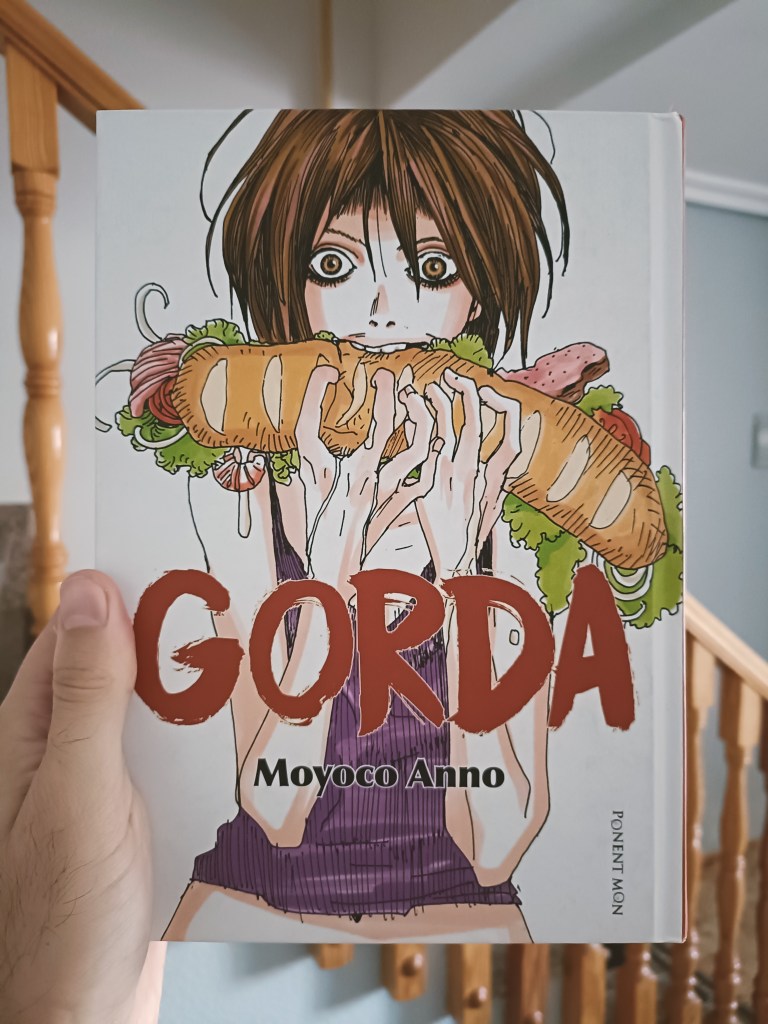
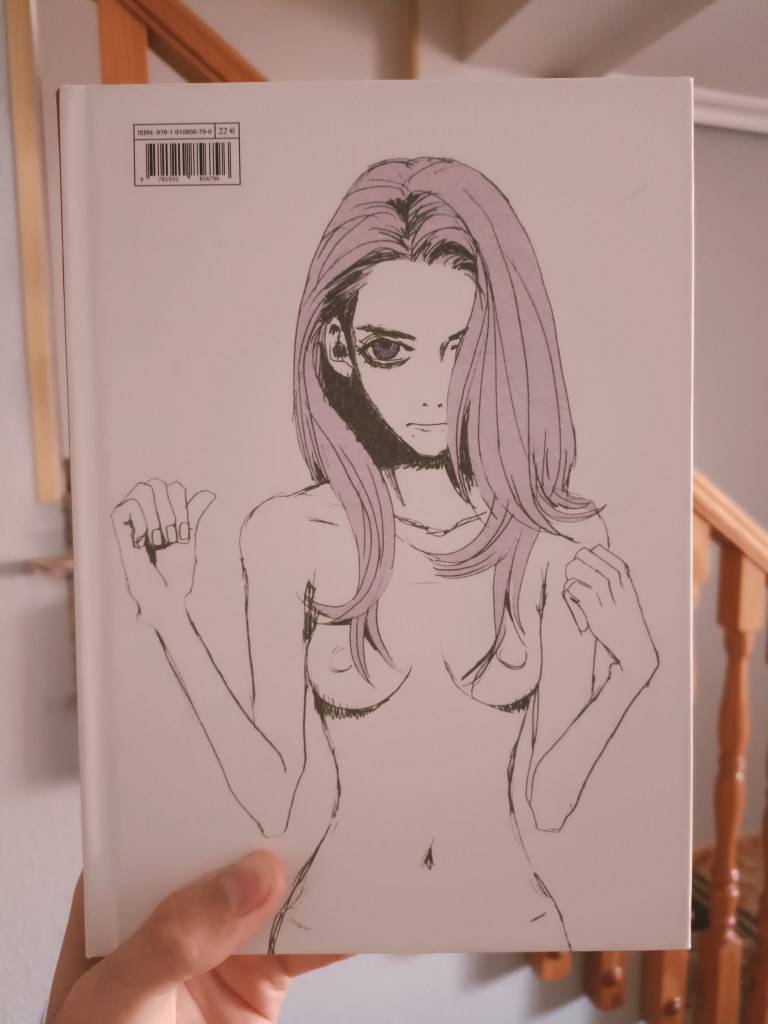
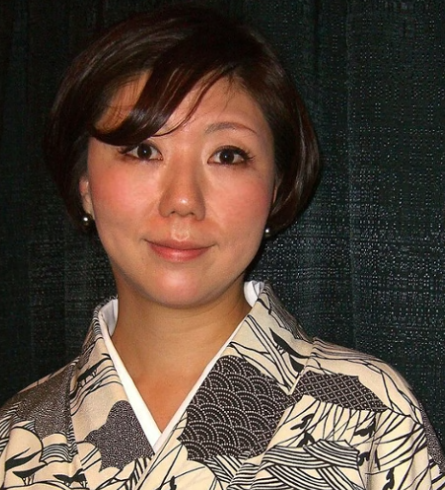

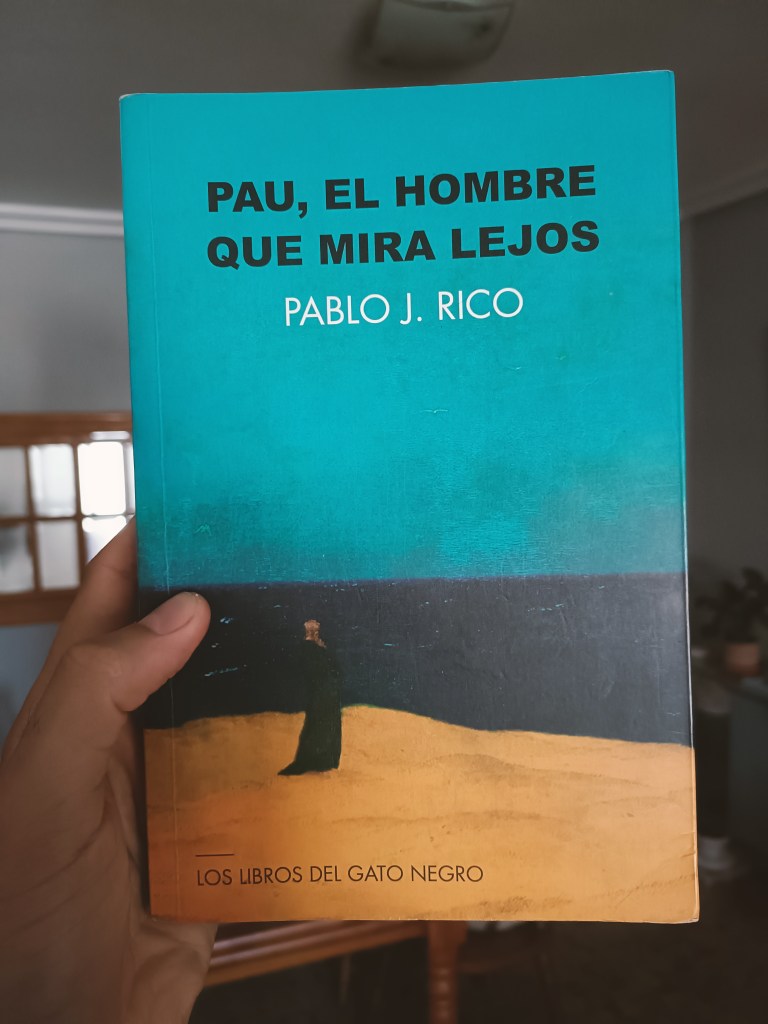
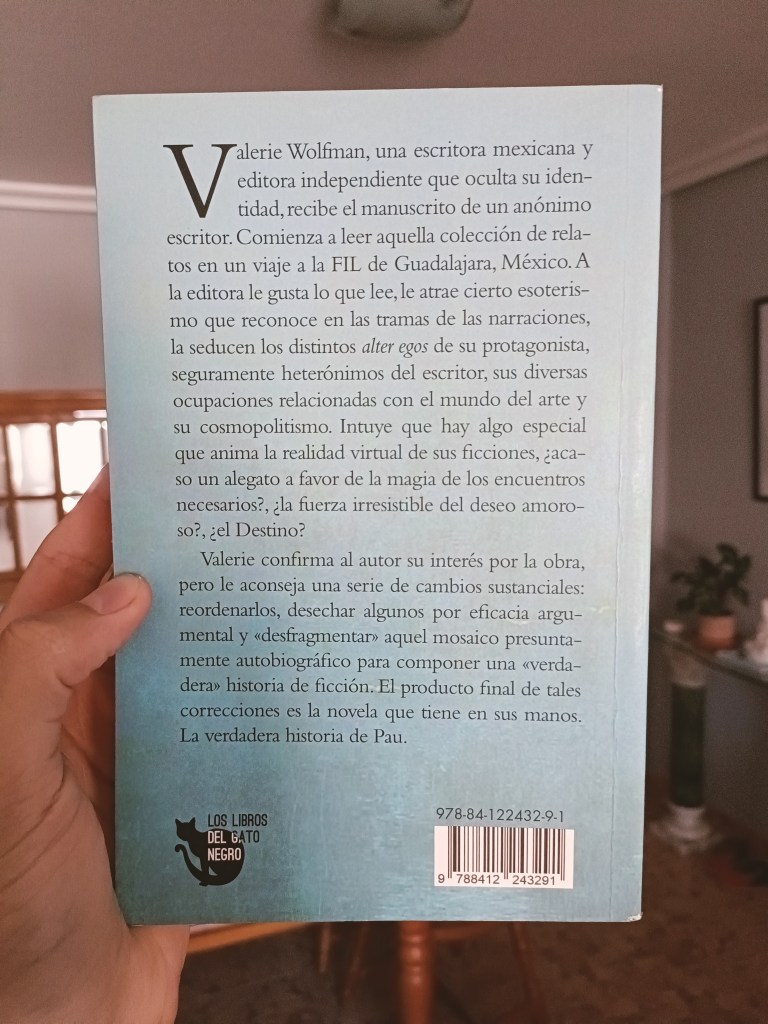
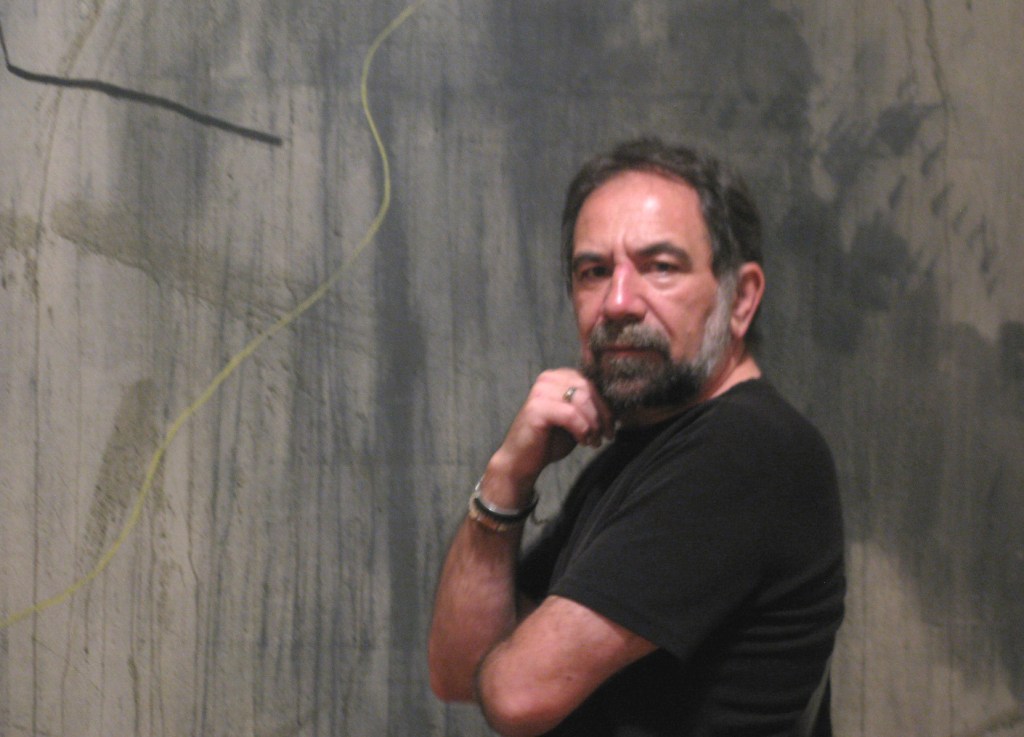
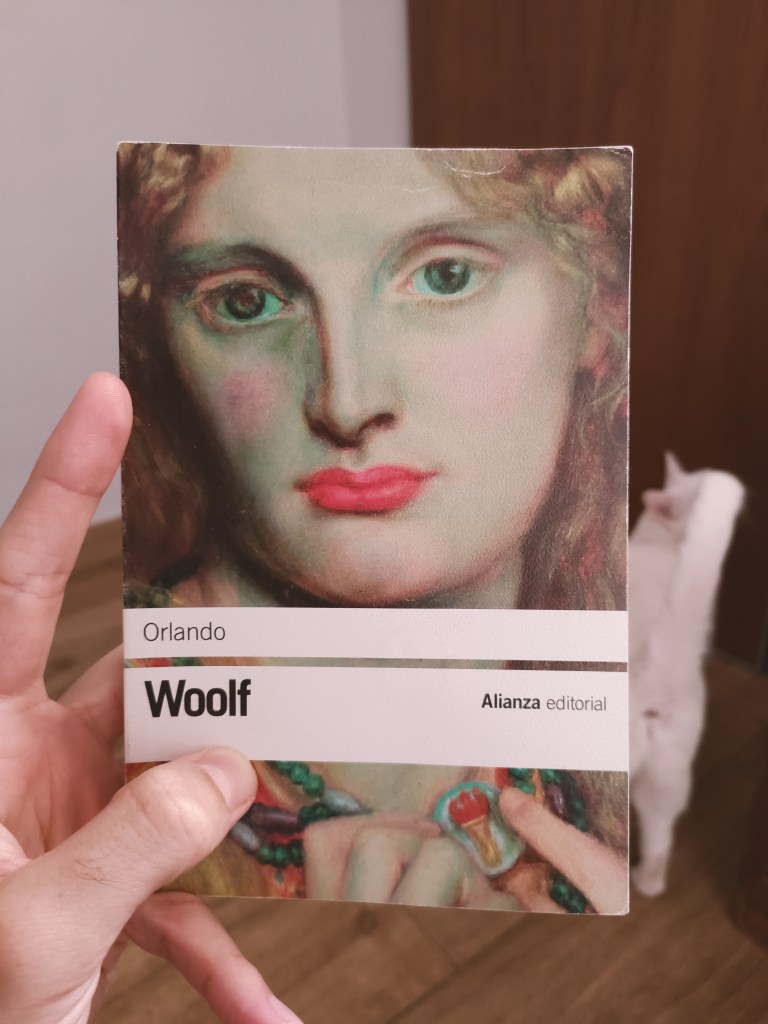
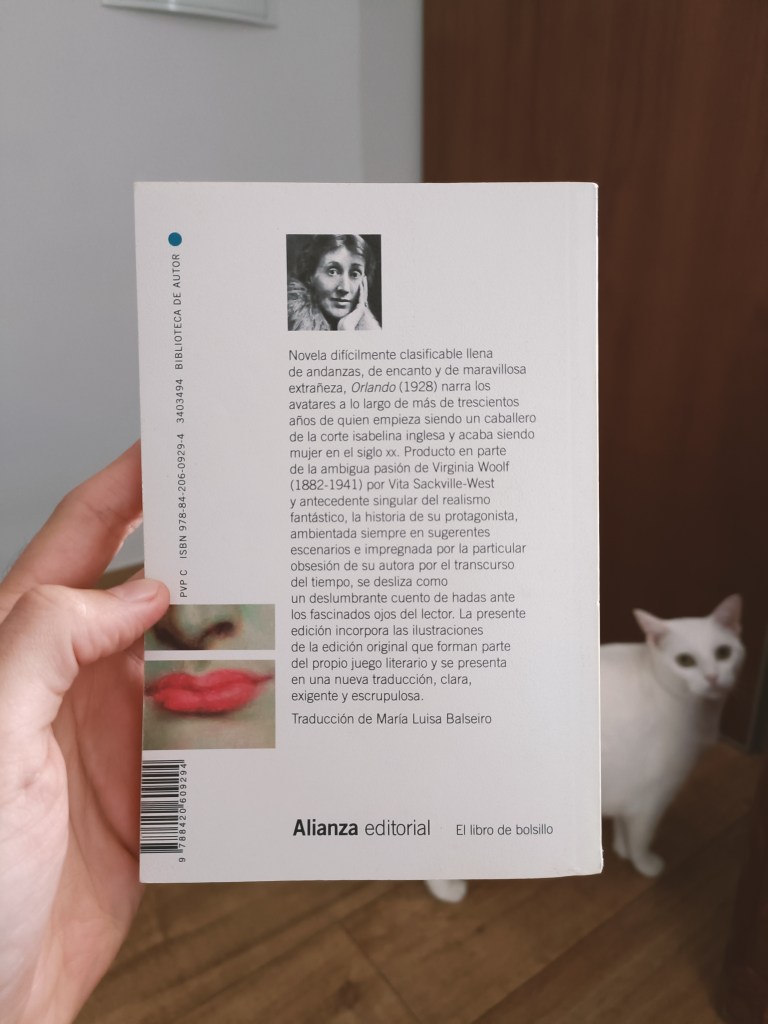
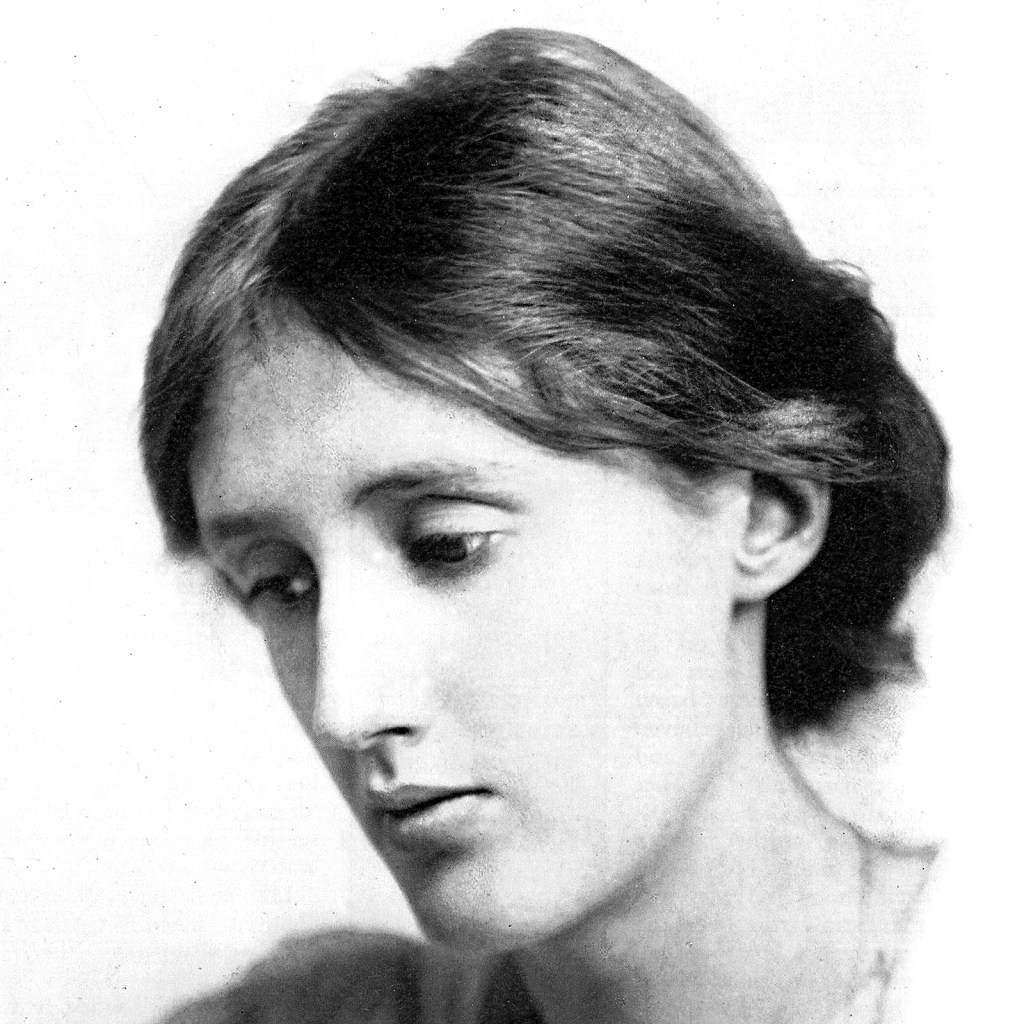

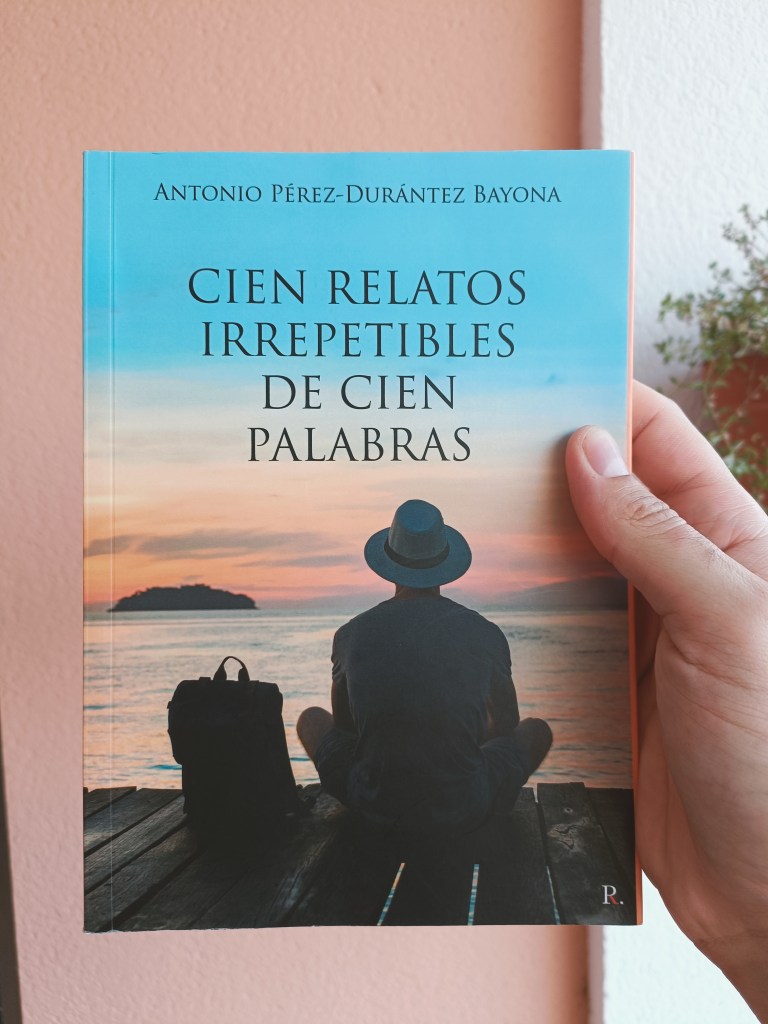
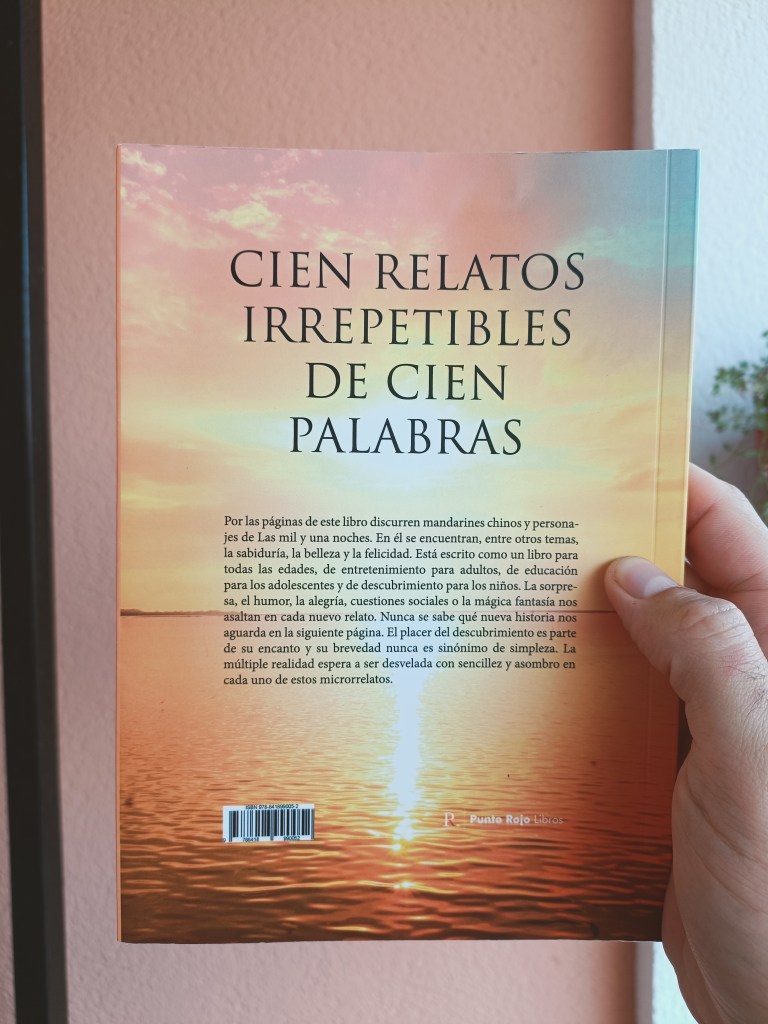
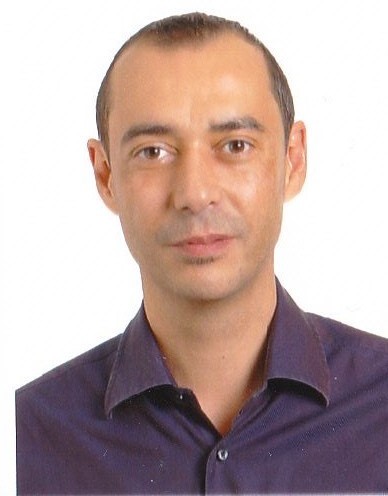
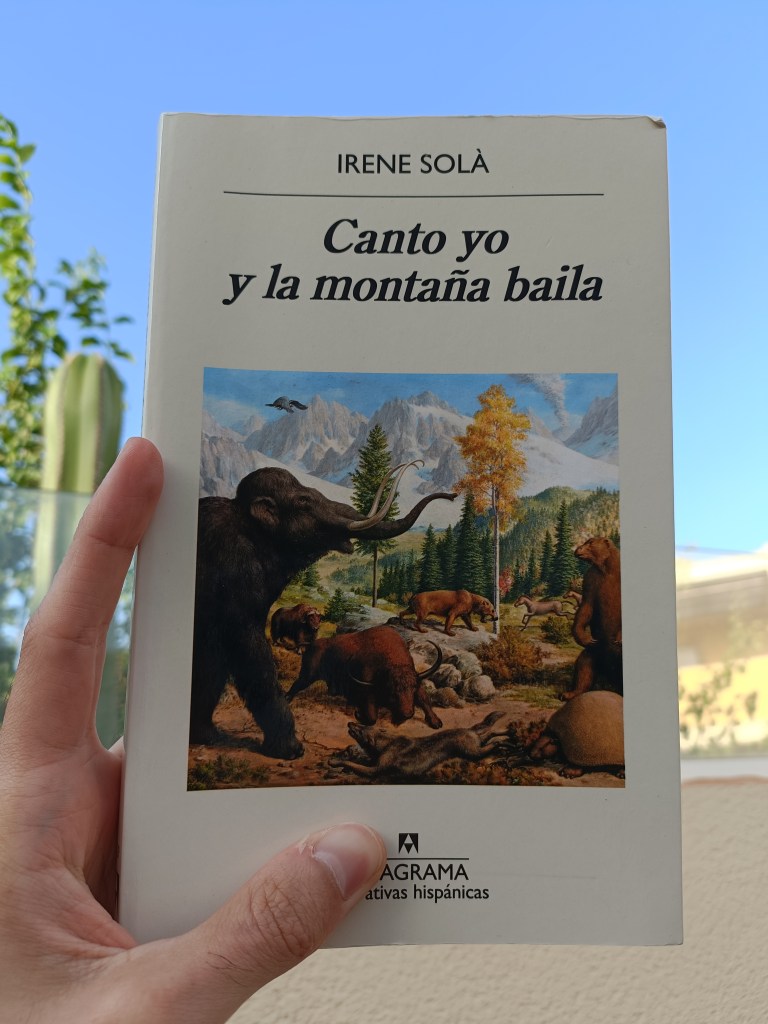
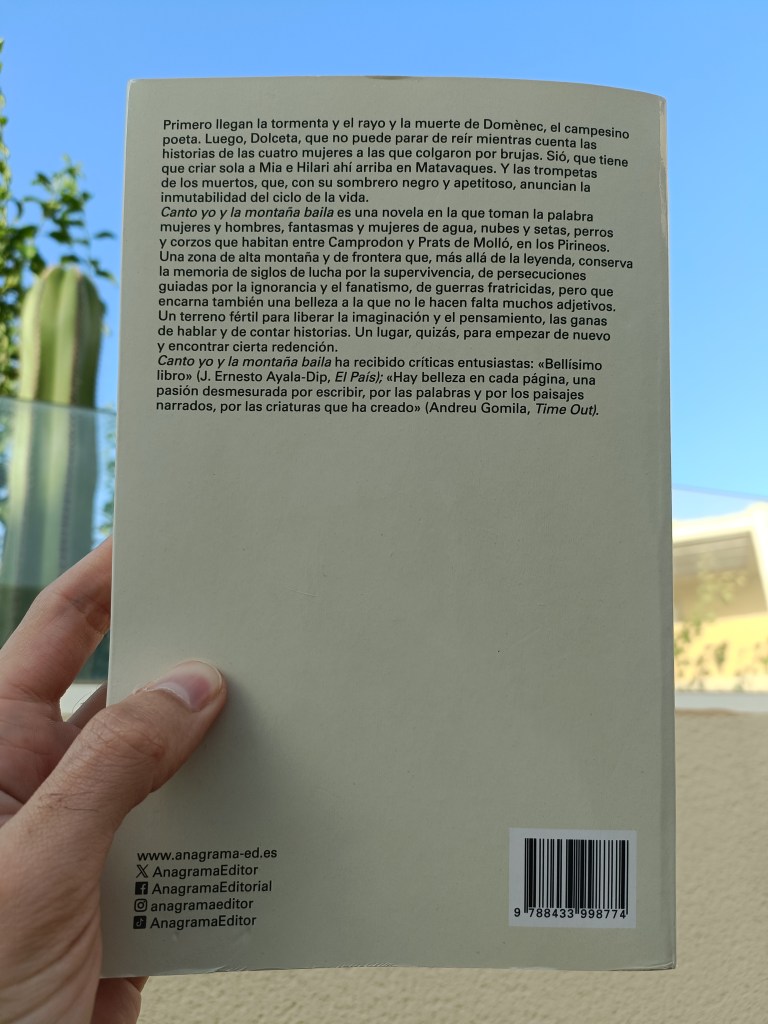
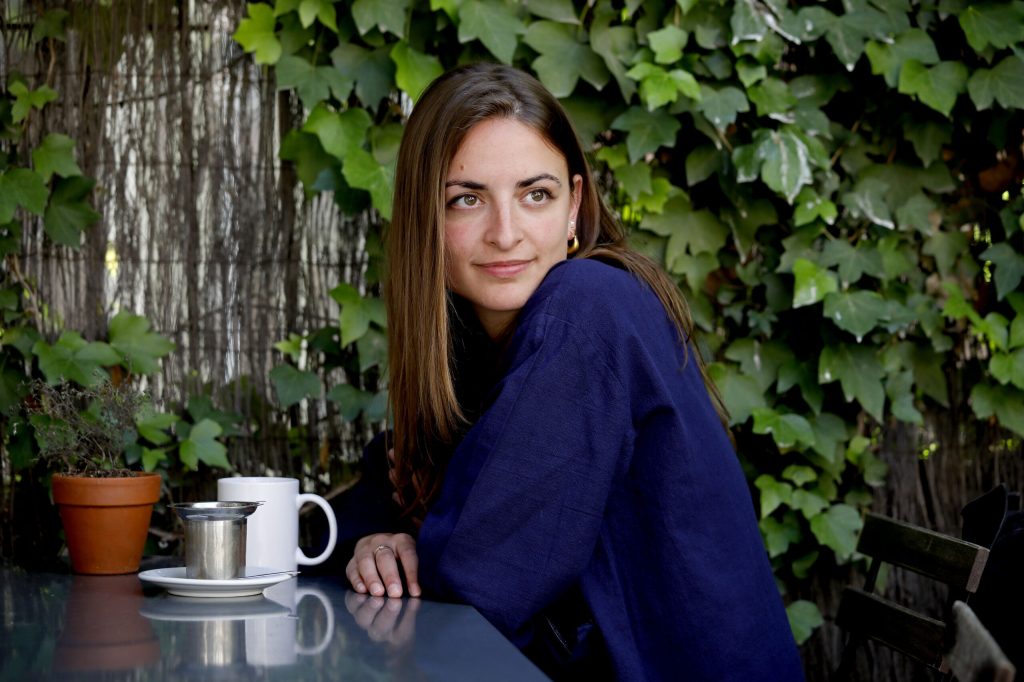
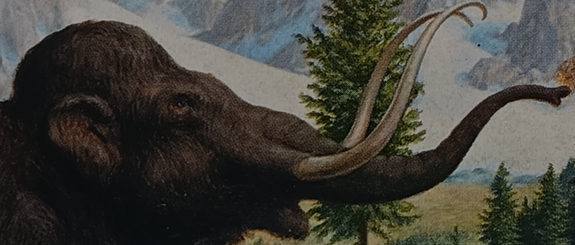



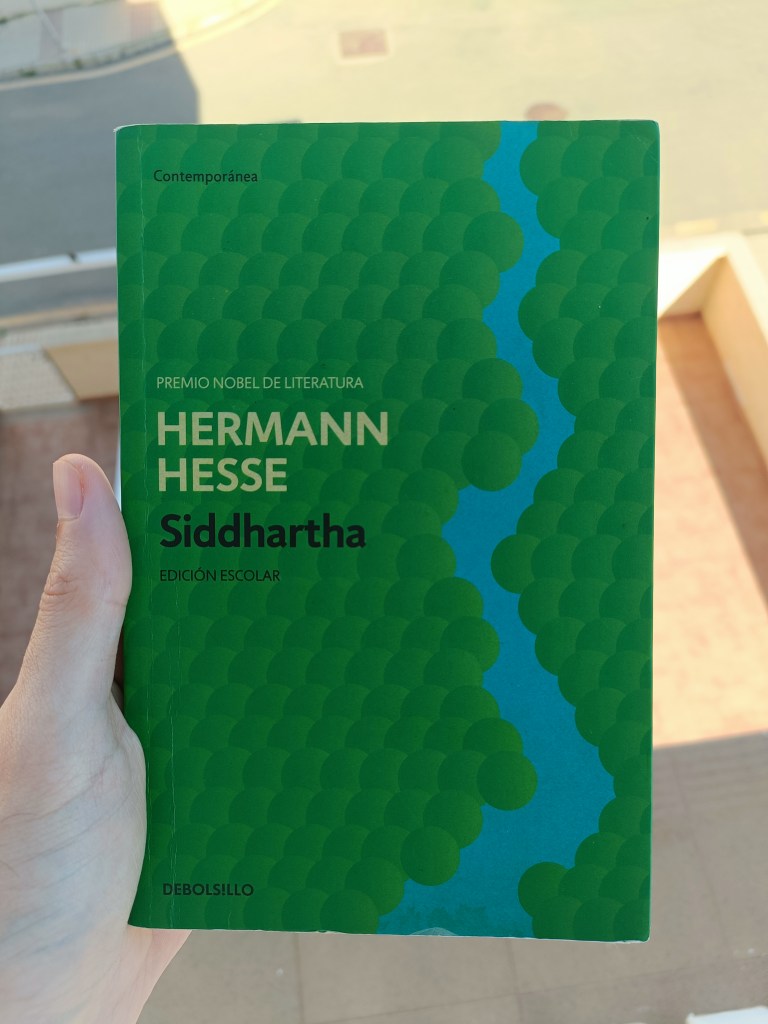

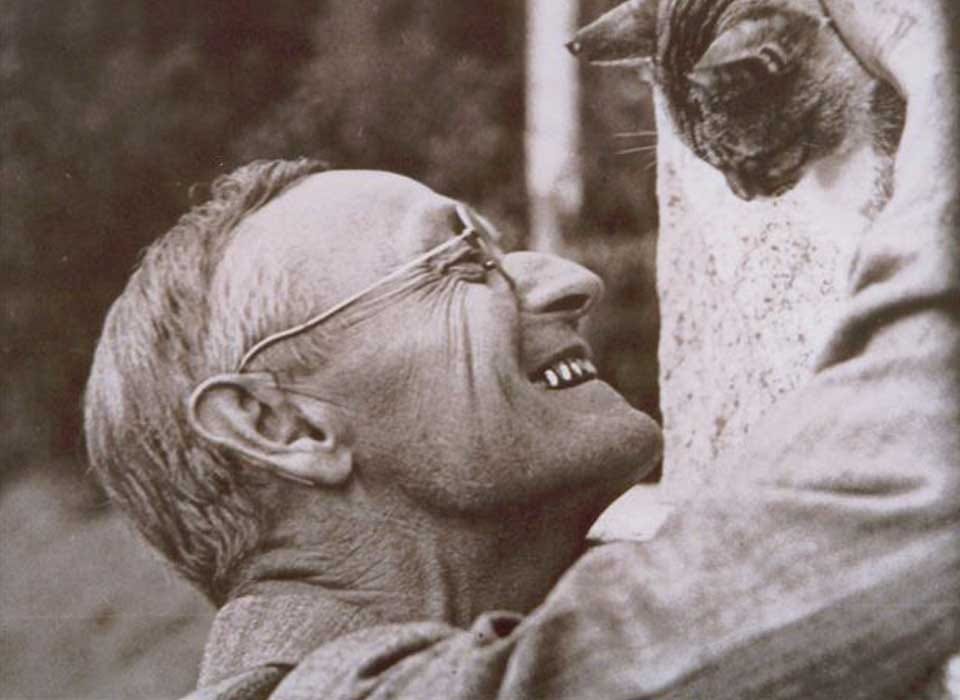

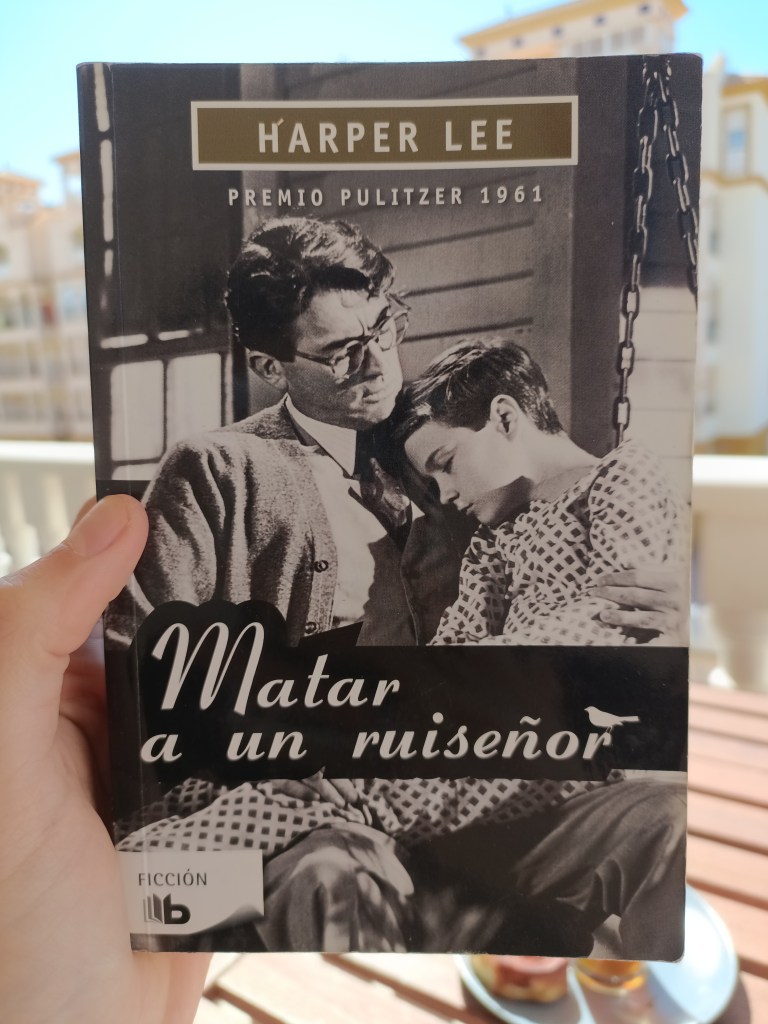
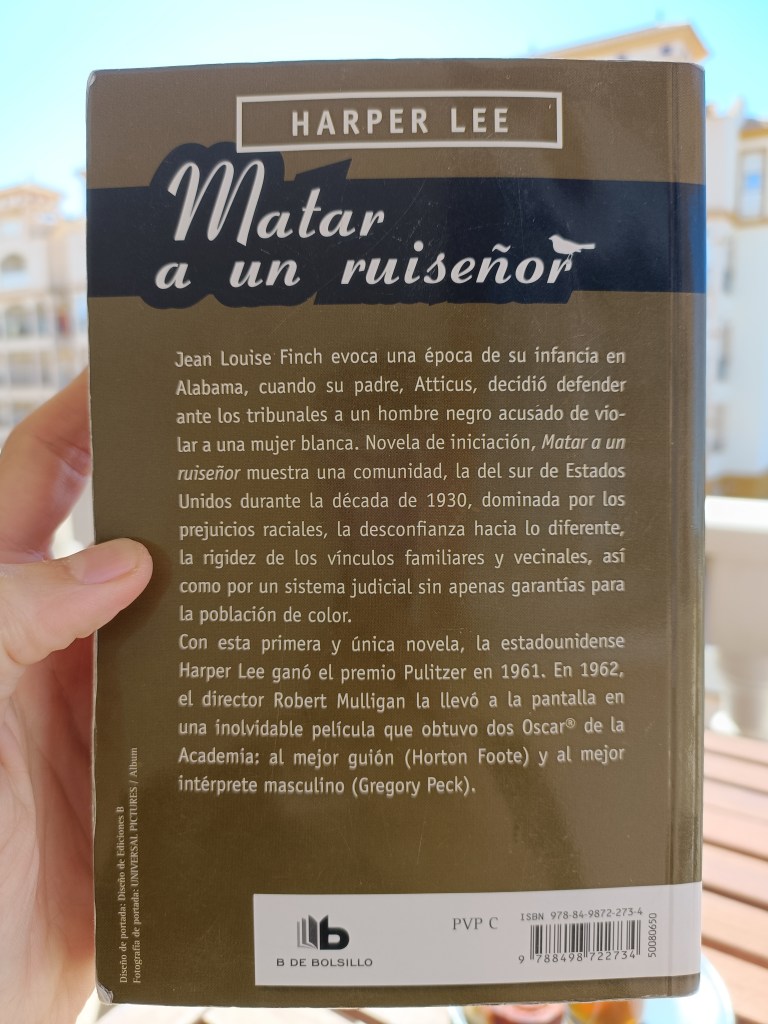
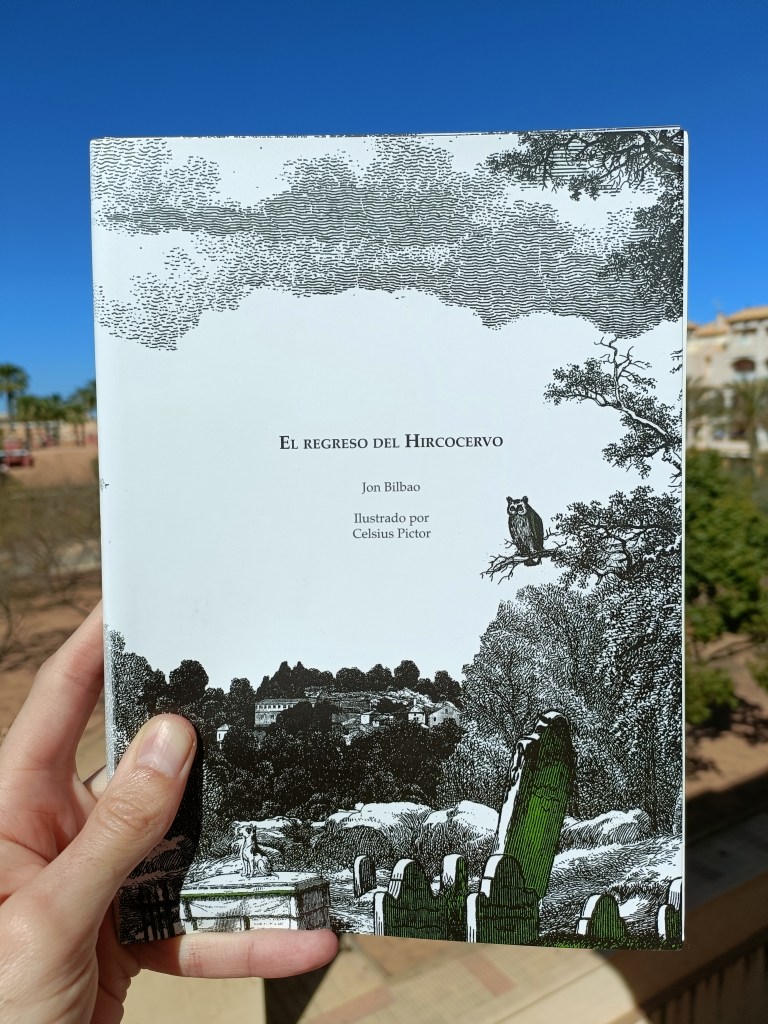

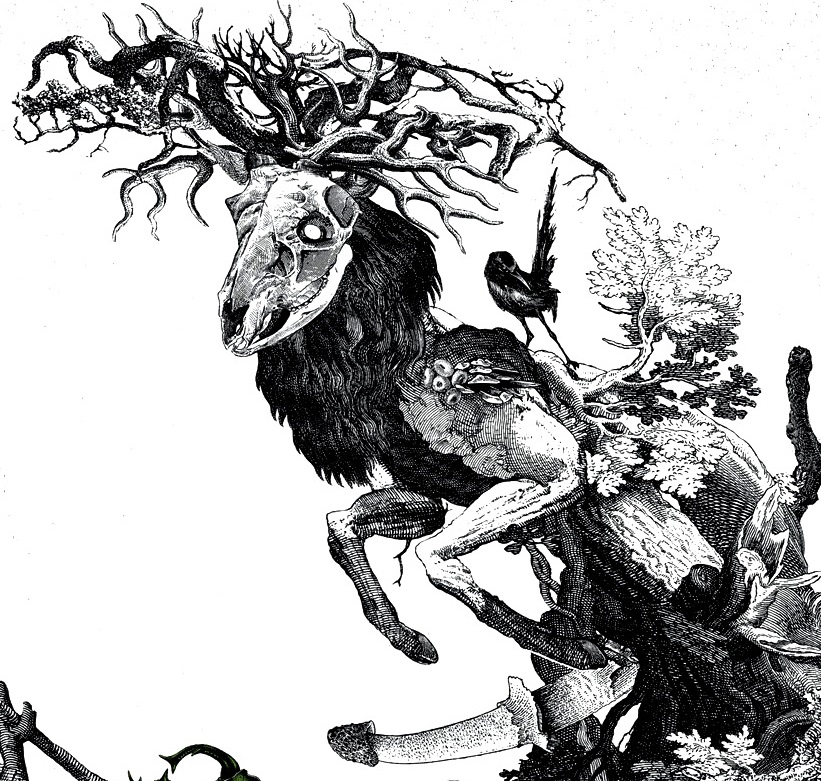


Which are the latest blog posts?