This book is an illustrated popular science work of an informative nature, which presents the fauna of the Palaeolithic period and European cave art in the form of a bestiary.
This book can therefore be classified within the didactic genre as a text on Biology, more specifically in the field of Palaeontology and Natural History.
This is a first edition published by Libros del Zorro Rojo in 2011. This publishing house was founded in Barcelona in 2004 and its main aim is to publish illustrated books, emphasising the dialogue between image and text in its various works. Consequently, its catalogue includes children’s literature (illustrated books and picture books), as well as books for young adults and adults (literary classics reinterpreted through illustration, books on art, nature and knowledge, and works of critical thinking on complex topics). This book is not available in English.
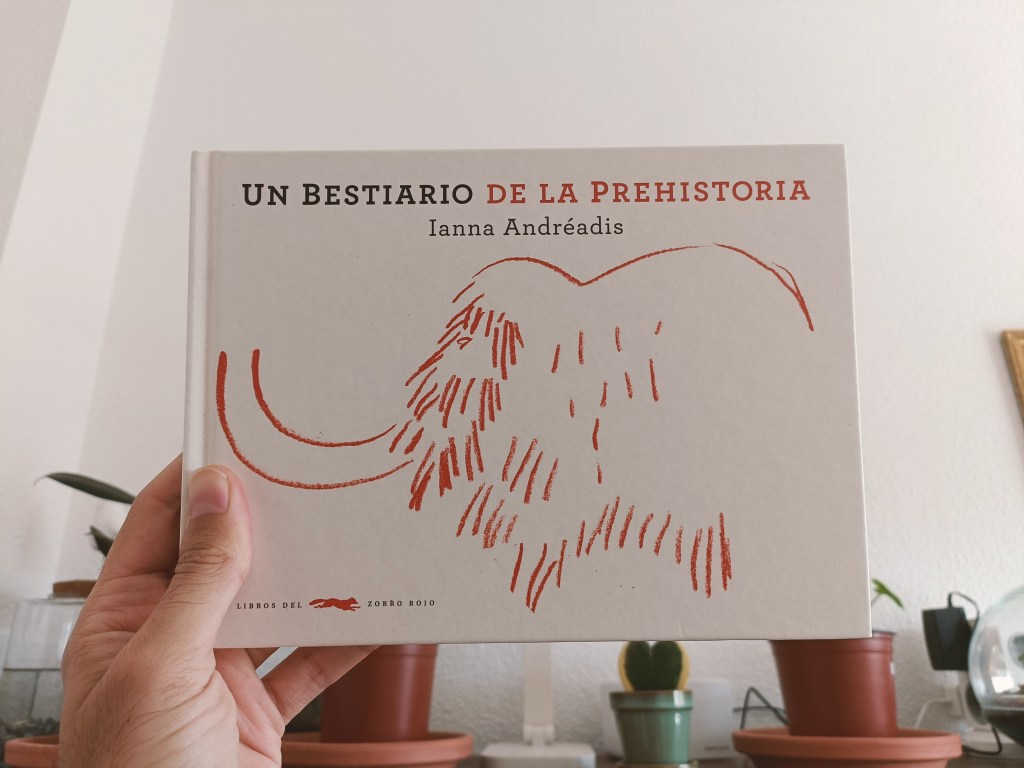
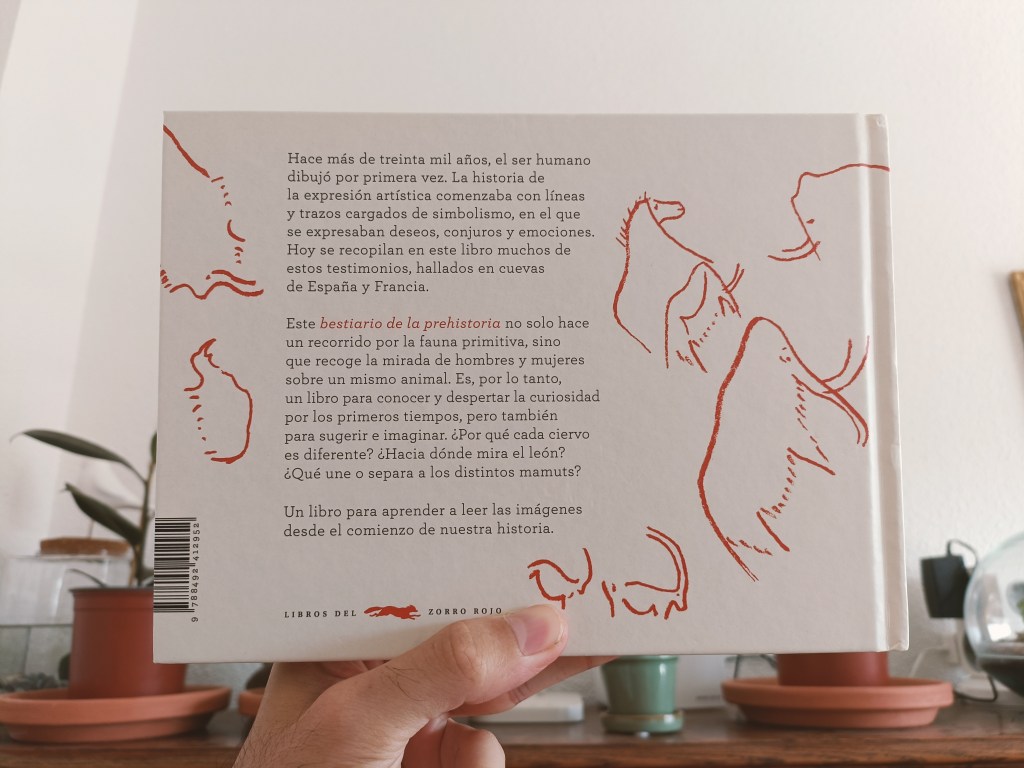
- Publication date: 1998
- Country: France
- Pages: 80
- Reading date: May 2026
- Rating: 3/5
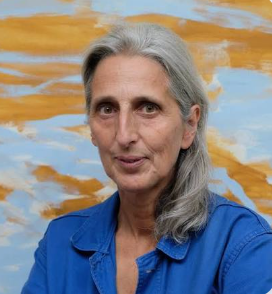
Ianna Andréadis (Athens, Greece, 1960–) is an artist, painter, photographer and author of several books. In 1978, she studied painting and lithography at the École Nationale Supérieure des Beaux-Arts in Paris, and subsequently developed an interest in prehistory, taking part in archaeological projects. Her work combines her various fields of study, with a prominent focus on animals, nature and travel, particularly around East Africa. She was awarded the New Horizons Prize at the Bologna Children’s Book Fair in 2006, and also undertook an international photography project to mark the 2004 Athens Olympic Games.
Other books published by her are:
- Cactus (2005)
- Days/Tonaltin (2005)
Within the list of other books published by the same author, those for which there is already a post in this blog are highlighted.
Click on it to read it!
I have always been fascinated by learning about Natural History, about our planet’s past and the wildlife that inhabited it. In this context, cave art has really sparked my imagination. It is a form of art which means many things: the beginnings of human artistic expression, the connection between human beings and their environment and nature, the earliest religious and spiritual symbols… Knowing how fascinated I am by this subject, a very special person gave me this book as a present. We both love bestiaries, although that’s something she’s passed on to me, as I hadn’t paid much attention to them before. So, being able to explore prehistoric wildlife through a book like this is an opportunity that has opened up for me thanks to the fabulous gift of this illustrated volume.
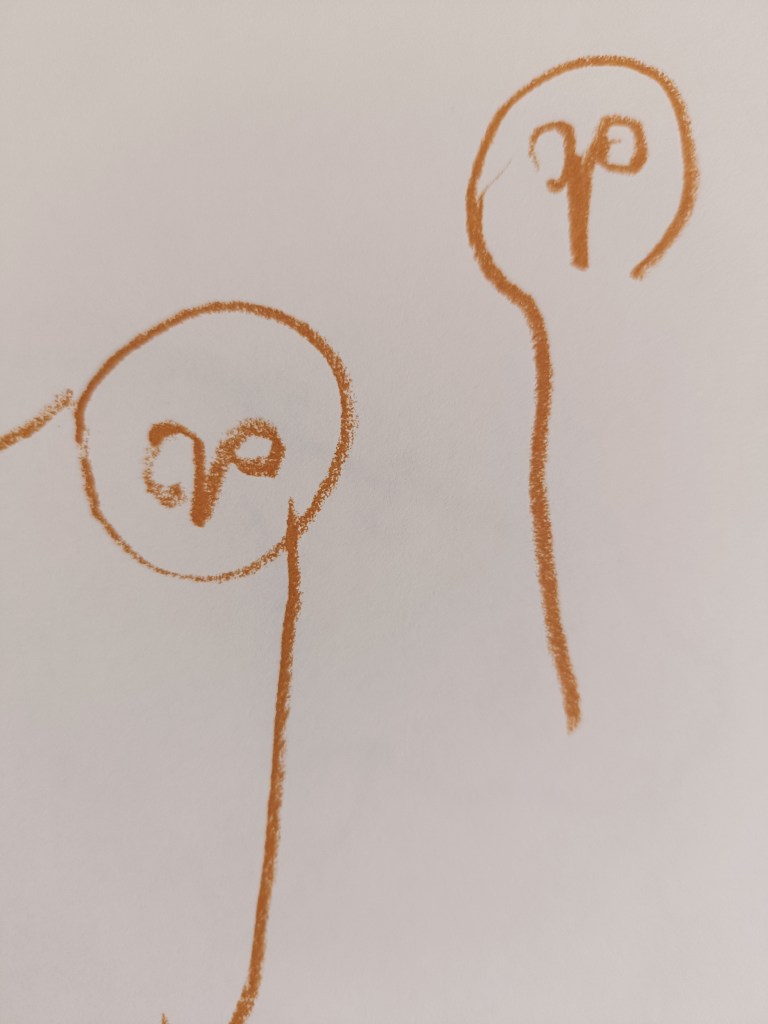
«Imagine these regions teeming with mammoths, rhinoceroses, lions, panthers, bears… As I looked at the paintings inside the ornate caves or the books that are sacred to them, I tried to capture the precise gestures of prehistoric people and to show different interpretations of the same animal. Imagine…«.
Ianna Andréadis
The book contains very little text. Each pair of pages features an illustration of a prehistoric animal – specifically, a cave painting of that animal – along with the animal’s name. The fauna depicted is quite varied: bison, rhinoceroses, horses, goats, deer, wild boars, owls, mammoths, lions, bears, fish, aurochs, etc. At the end of the book, there is also an index listing all the illustrations of each animal alongside the page on which it appears and, interestingly, the geographical location of the cave painting in question (all of which are in Spain and France).
«They did not create those paintings simply for pleasure, nor did they explore those gloomy galleries merely for the sake of adventure. They believed they were entering the realm of the dark forces, a supernatural world where spirit-animals were present within the rock itself; by the stroke of their hand, they summoned them, ready to appear before them. They believed that their drawings enabled them to make contact with these spirits, to draw upon their powers and their benevolence».
Jean Clottes
On the one hand, it was a quick read and a real pleasure if you’re into cave art, the history of humankind and animals. I also thought it was brilliant to know which site or cave each cave painting is found in. However, perhaps because of my fascination with the subject, I found the book a bit too simplistic. I would have liked a section discussing cave art in greater depth, a wider range of wildlife depicted at other sites or in caves beyond Spain and France, and perhaps some description of the relationship between humans and each animal featured, taking into account the artwork, the location, and so on.
«These paintings, remnants of ceremonies and beliefs long since forgotten, continue to speak to us. Through them, we can glimpse the way of thinking, the lives, the joys, the sorrows and the hardships of people who, despite having lived so many millennia ago, were not so different from us».
Jean Clottes
In conclusion, the book is highly original, as I am not aware of any other bestiary featuring prehistoric fauna, and I find it of great interest from a natural history perspective if you enjoy these topics. However, it is, in my opinion, far too short if this is a subject you are fascinated by. Once you’ve finished the book, you’re left wanting more and feeling that it wasn’t quite enough. Perhaps it’s because I’m not used to reading illustrated works, but personally speaking, I would have liked a little more text and detail.
Some reflections:
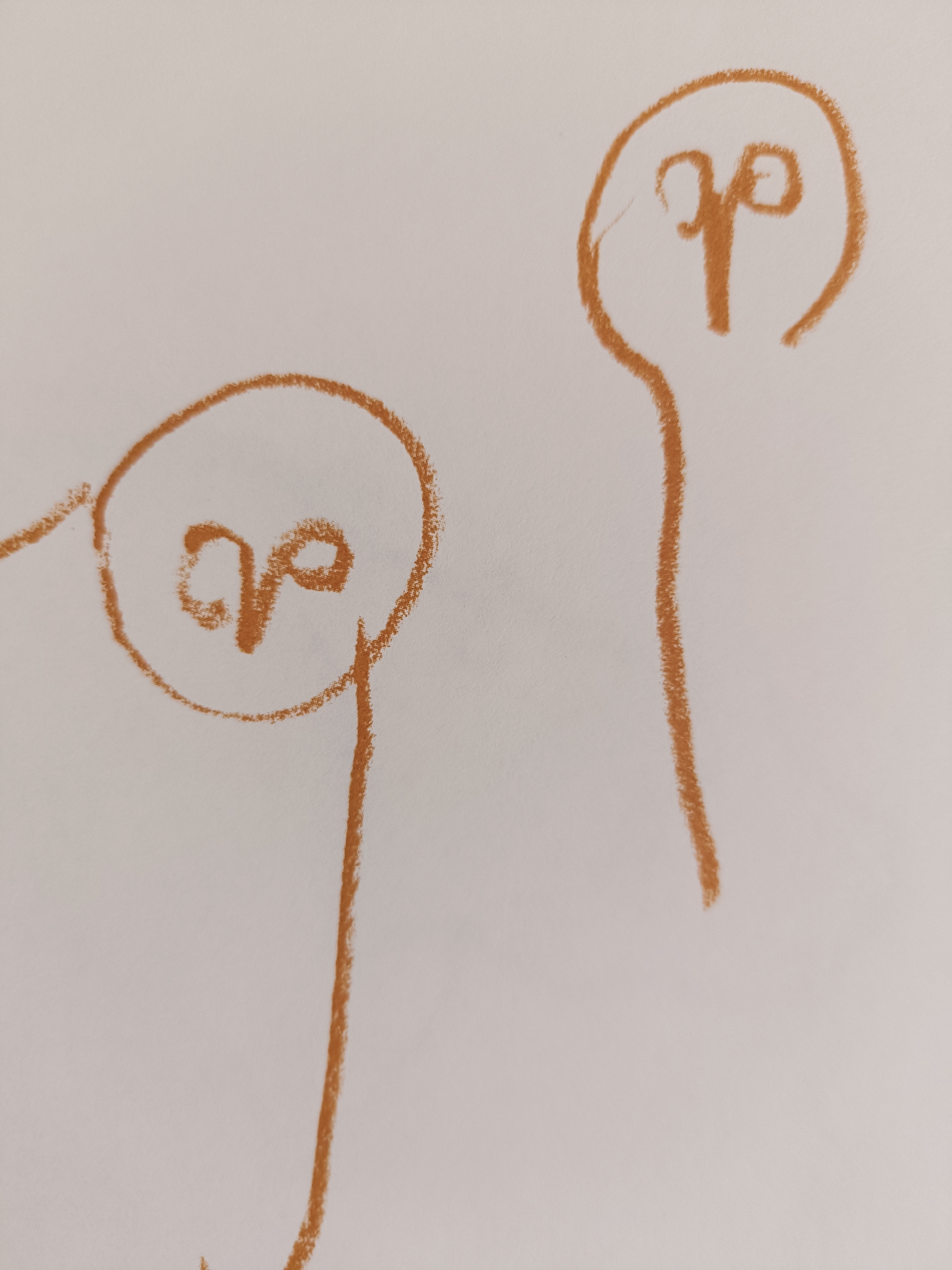
- Can we regard as art images created thousands of years before our current concept of ‘art’ even existed?
- What differences do you notice between the way prehistoric humans depicted animals and the way we depict them today?
- How does it make you feel to look at images today that were created thousands of years ago?
Type your e-mail address and click on subscribe to be notified of new content!
- Dewey
- Dewey Lee Más Libros
- One hundred unique stories in one hundred words
- Cien relatos irrepetibles de cien palabras
- Canciones del príncipe Vogelfrey
- Songs of Prince Vogelfrei
- A bestiary of prehistory
- Un bestiario de la prehistoria
- Los límites de mi lenguaje: Meditaciones sobre la depresión
- The limits of my language: Meditations on depression
Cambia el idioma a:



Which are the latest blog posts?