This book is a compilation of diary-like texts published in weekly newspaper columns in a literary rather than argumentative format. The author himself calls them literary columns or journalistic scenes.
Thus, this book can be classified within the didactic genre under the form of memoirs and subclassified among those in the form of diaries.
This is a first edition published by Chamán Ediciones S.L., which is a Spanish publishing house specialised in poetry, although it also edits other literary genres. It brings out books which introduce known and unknown authors to the public. This book is not translated into English.

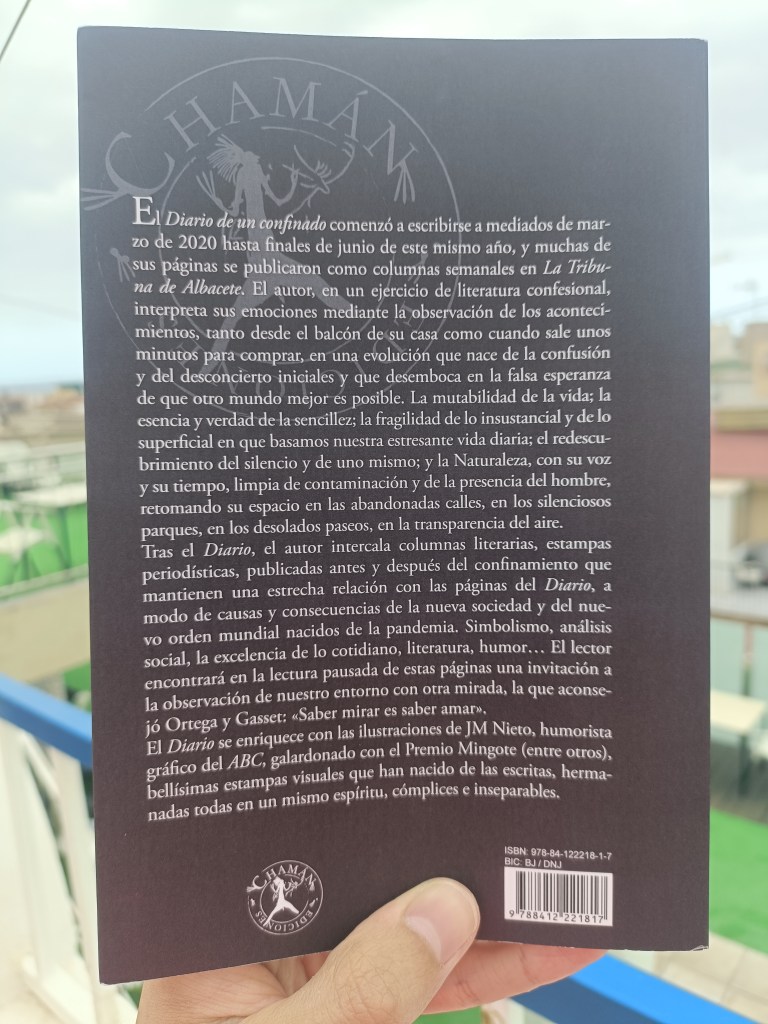
- Publication date: 2020
- Country: Spain
- Pages: 136
- Reading date: February 2022
- Rating: 3.5/5
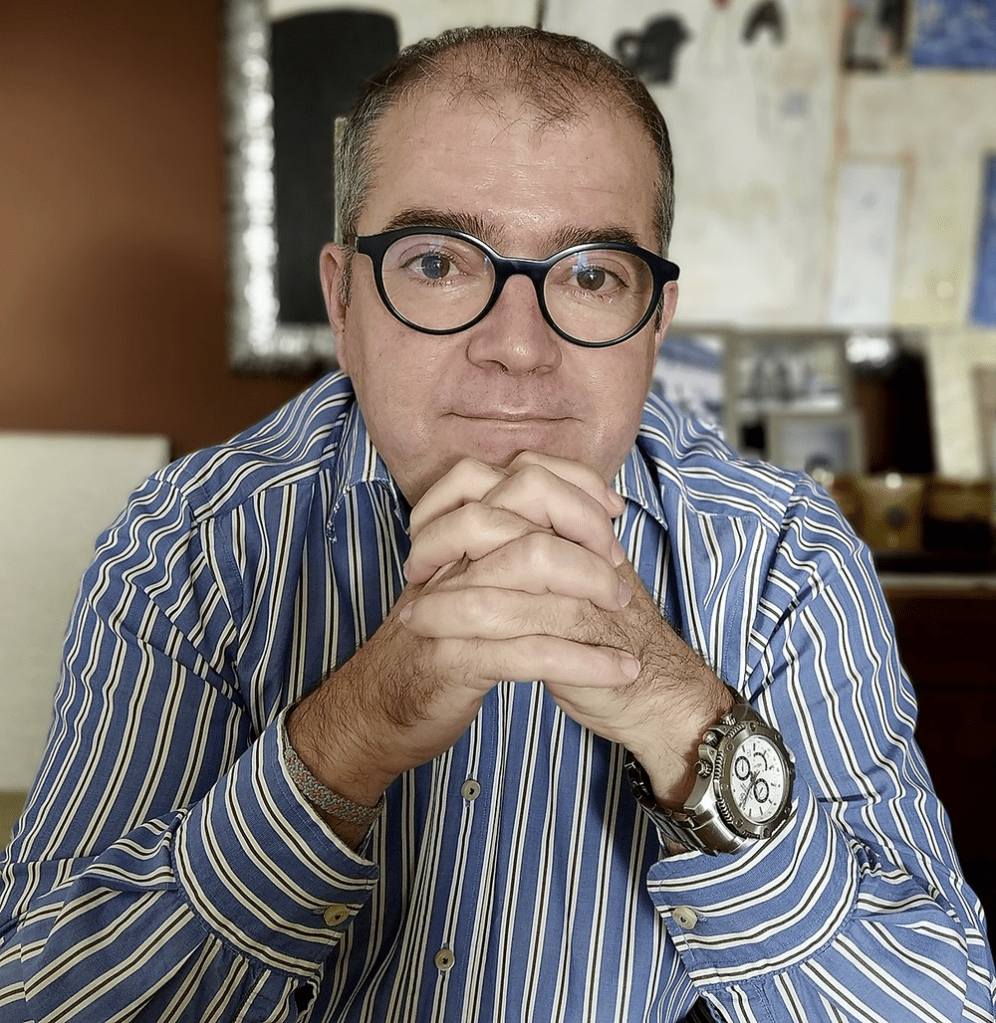
This book was written by the author José Juan Morcillo Pérez (Albacete, Spain, 1969-) and the illustrator José María Nieto González (Valladolid, Spain, 1971-). José Juan holds a Doctorate Cum Laude in Hispanic Philology from the University of Salamanca. He has taught Language and Literature at several universities. He has collaborated with the Royal Spanish Academy (RAE) and participated in Educational Innovation Projects. On the other hand, José María is an illustrator and graphic humorist who holds a degree in Fine Arts also from the University of Salamanca. He has worked in several newspapers.
José Juan is the author of two collections of poetry and several stories which he has not published or which, as he says, «do not want to see the light of day».
It is clear that the COVID-19 pandemic will be something we will all remember in our lives. Not only as a health worker am I interested in its meanings and repercussions, but as a lover of literature and reflection, I am deeply drawn to read about this historical phenomenon from various perspectives.
So one of these perspectives is that of the diary. I came across several books in the form of memoirs about the pandemic and/or confinement, but I chose this one without thinking too much about it – I had to start somewhere.
In the first part of his book, José Juan narrates in diary form his home confinement during the first wave of COVID-19 cases in Spain in 2020. For the first few days of the diary, the narration of events is merely descriptive both externally (news, chores at home…) and internally (the author’s inner world). In this part I got a bit bored because I expected the author to reflect more on a social level or on his feelings. I read on, and my expectations were met. Each time the author reflects more and more on the world around him and his daily life, as the days of confinement go by.
«It is very different to make the prison a home than to make the home a prison (…). To make home a prison, on the other hand, is to transform your sphere of freedom, your most intimate homeland, into a concrete cage, to paint the comfort of your living space with discomfort. This is why the mind is reluctant to accept transgression. I suspect that the first days after confinement we will live in our homes in a different way, with a paradoxical sensation between the need to continue living in them and the desire to spend as little time as possible within their walls».
José Juan Morcillo Pérez
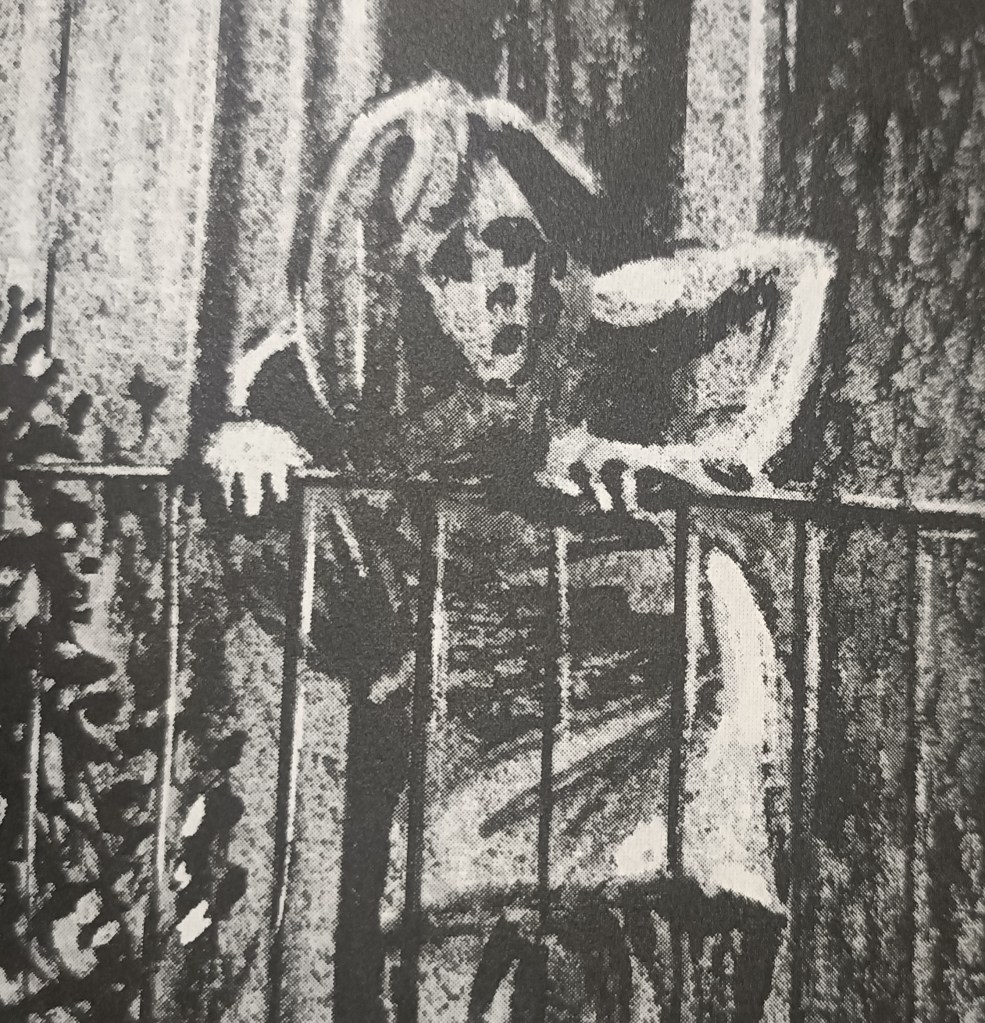
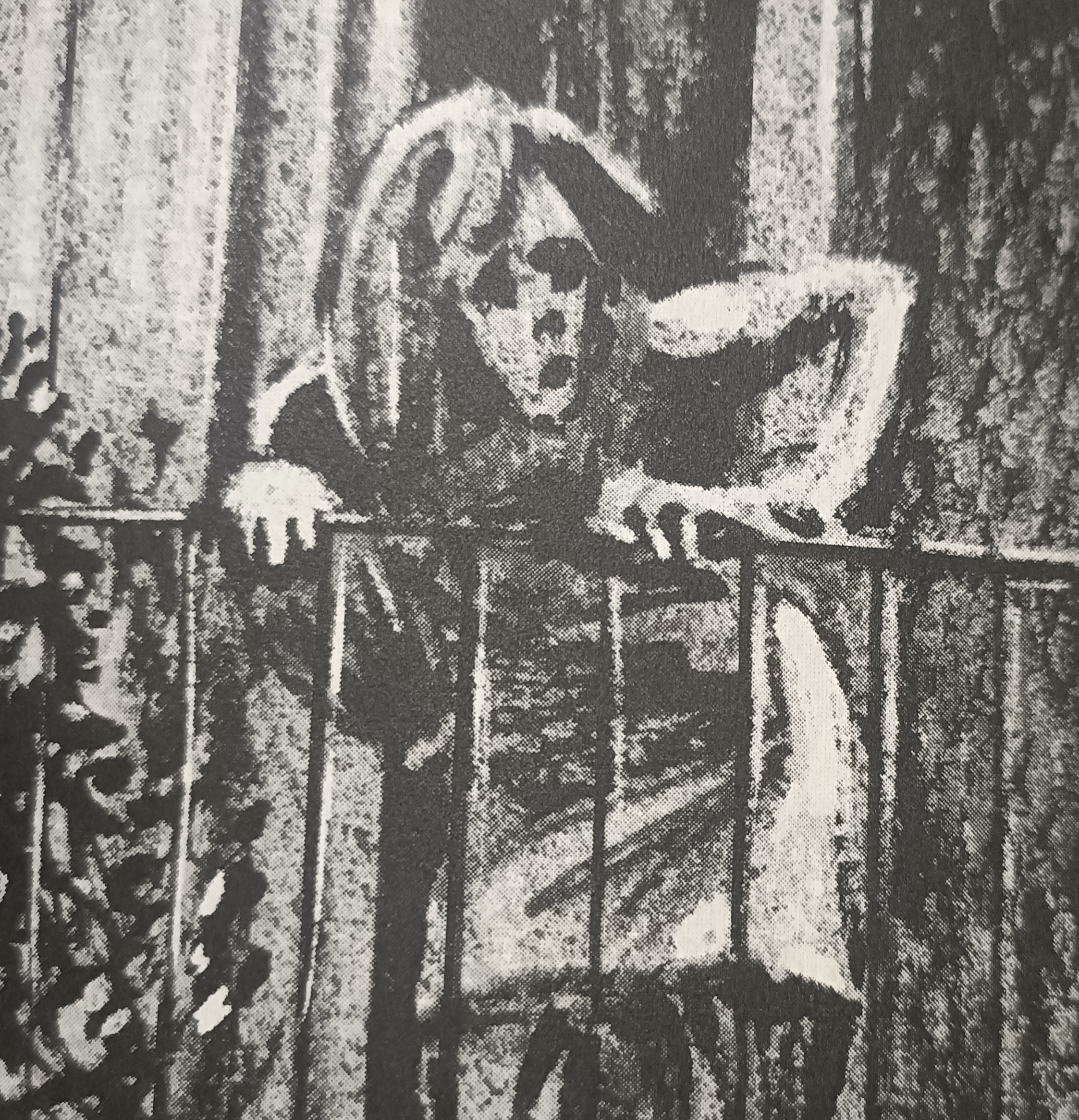
These reflections are made in a poetic tone with a familiar and simple language which makes the reading of this diary as a whole a very pleasant experience. It should be pointed out that this work is not an essayistic work, so I do not recommend it for analysing the social, political, economic or cultural effects of the COVID-19 pandemic. Rather, it belongs to one of those books that we can all have access to, telling us about easily understandable feelings with honesty and simplicity, which does not detract from the beauty or weight of the text. All accompanied by José María Nieto’s haunting illustrations, enhancing that beauty.
«Tedium. Thickness of hours. The minutes crush, the days confuse. Almost three weeks in this concrete cage. I have lost the sense of time: I can’t remember if it was this morning or yesterday morning when I read this paragraph or that one; in the afternoon I can’t remember what I had for lunch.
Everything has slowed down. My mind is not so fresh and agile. When I write or read, I seem to be walking through muddy mud, through miasmas of stagnant seconds. I can barely last a couple of hours in concentration; then my body drags me into a well of stillness from which I find it hard to climb out. By video call I appear thick and I misarticulate my words. The TV only wakes me up when I want to watch a film or listen to music. I am quietly cut off from the outside world».
José Juan Morcillo Pérez
In the second part of the book, the author completes the work with what he calls literary columns or journalistic scenes. These are reflections on various issues related to topics previously touched upon in the diary. However, they are written before and after the confinement. They are equally interesting to read because, together with the first part of the diary, they make this book an embrace of simplicity and silence, as well as a rejection of the insubstantial on which we sometimes base our daily lives.
Thus, both parts of the book complement each other and enrich the message.
«Time, said Ovid, is the destroyer of things (edax rerum); with reading we mock it and caress eternity. I look back and remember the first day of confinement, I realise that these forty days have been light and even fleeting thanks to reading and writing».
José Juan Morcillo Pérez
In conclusion, it was a bearable and interesting read, despite lacking the reflections and intimacy I look for in a text of this genre in the early days of the diary. I liked the language and tone used by the author throughout the work, close to poetic and with a polished simplicity. To begin with the implications of the COVID-19 pandemic, it is a good book to read before venturing into a more essayistic text.
I will not end this review without sharing with you a part of the work, which I find of great beauty, in which the author speaks to his diary at the end of his confinement and therefore his writing.
«I am emotionally chained to you. That’s how it is. You have been the freedom of my prison and the comfort of my uncertainties during these two months of living together, so it costs me a world to reach this moment when I have to put an end to it. To do so hurts me as deeply as if I were signing your death sentence, which is as if it were my own. How terrible the figure of the creator is when he has to decide the end of his work. Who knows if, after writing your last stroke, some night, in your dreams you will talk to me and you will recreate yourself reminding me that I am weak and outdated like a blade of grass blown at the whim of the wind, that when I die nobody will dream me or resurrect me, while you, on the other hand, will remain vigorous and young every time you are read. And it is true: you, diary, will survive me; the creation, made with my words and with my breath, will reach an eternity that I, vain mortal, will be able to approach slightly in my dreams.
Eternity is yours, I have granted it to you, but in it you also carry a little of me because you have been the me that I thought was only mine and that now makes no sense without you. In you I am me, in me you are you. Whoever reads you must not find me, but both of us: me, the flesh and muscle of you, my quiet voice, my loquacious silence, my soul without a throat, my I».
José Juan Morcillo Pérez
Some reflections:
- Have you tried the experience of writing, for what purpose, was it therapeutic?
- What do you call home? When you think of a space that makes you feel like you are in a prison, where do you place yourself?
- What do you think is insubstantial in our everyday lives?
Type your e-mail address and click on subscribe to be notified of new content!
- Pensando en ellos
- Thinking about them
- Saldremos de esta: Guía de salud mental para el entorno de la persona en crisis
- We will get over this: A mental health guide for the environment of the person in crisis
- Traces of Madness: A Graphic Memoir
- Desmesura: Una historia cotidiana de locura en la ciudad
- When I sing, mountains dance
- Canto yo y la montaña baila
- The Phantom of the Opera
- El fantasma de la Ópera
Cambia el idioma a:
 arquerociego
Which are the latest blog posts?