This book is a description of autobiographical events in an almost essayistic form.
Thus, this book can be classified within the didactic genre under the form of memoirs and subclassified among those in the form of autobiography.
This is a fifth edition released by the publishing house KIER S. A. in 1982, which is an Argentinian publishing house specialising in books on Eastern religions, yoga, esotericism, self-help, etc. founded in 1907. This book is available in English.
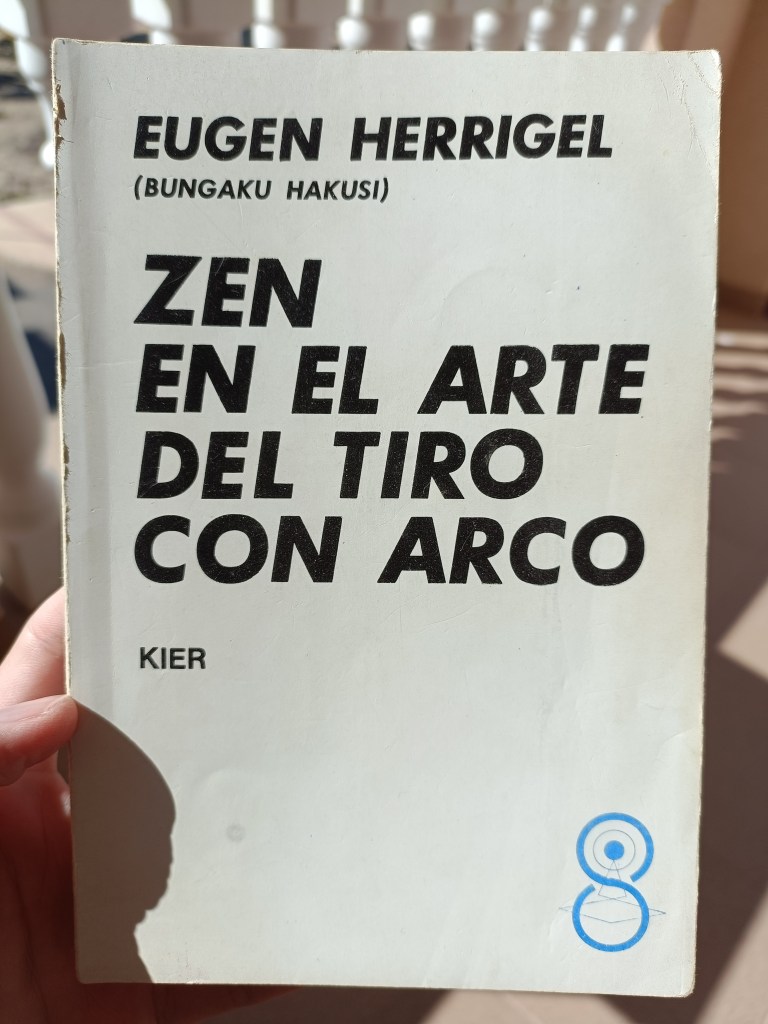
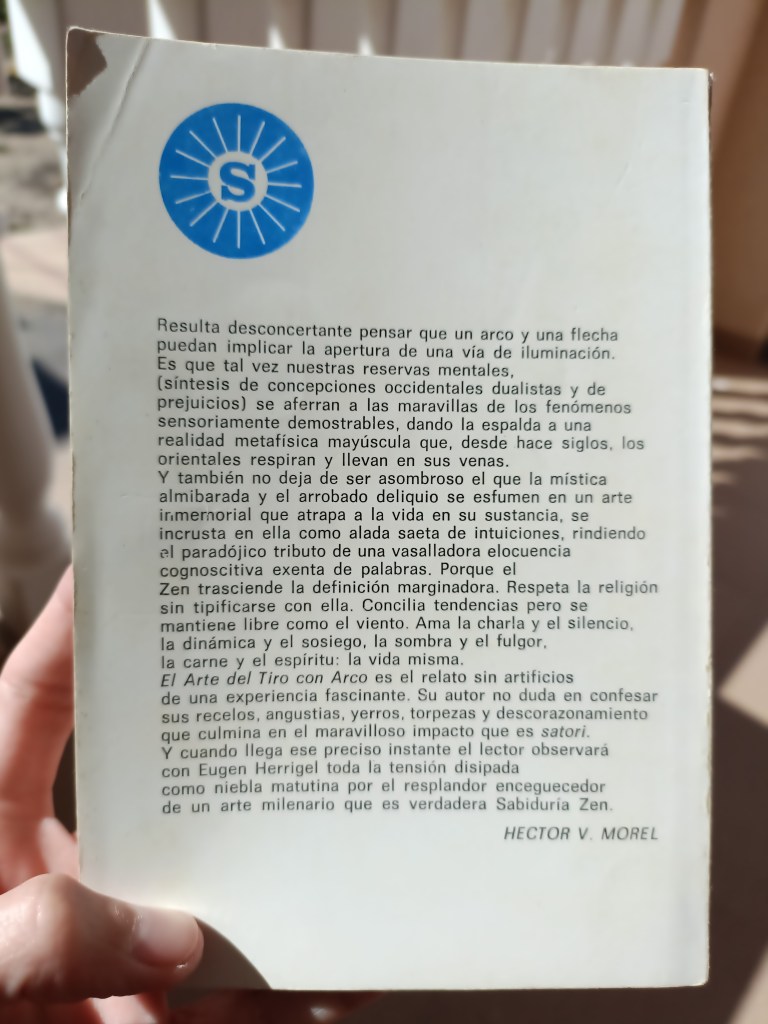
- Publication date: 1948
- Country: Germany
- Pages: 111
- Reading date: November 2018
- Rating: 4.5/5
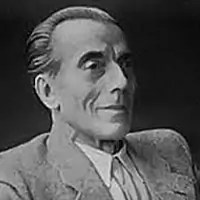
This book was written by the German professor of Philosophy Eugen Herrigel (Germany, 1884-Germany, 1955). He taught Philosophy at the Tohoku Imperial University in Sendai, Japan between 1924 and 1929. During this period he learned Kyūdō (Japanese archery) from Awa Kenzō. When he returned to Europe, he contributed to the spread of Zen through his writings in the form of articles. One of these articles published in 1936 was at the heart of the later, present book which came out in 1948. He taught at the Erlangen University on his return to Germany and, at the outbreak of World War II, he joined the Nazi Party, which caused him to lose many friendships and, after the war, to be forbidden to return to teaching for three years. This aspect of his political life was not mentioned by his widow, who merely focused on sharing his spiritual side after the end of the war. Among his writings, many notes on Zen were found which were posthumously reviewed and edited by Alan Watts before publication. He died at the age of 71.
I had never heard of this book until I came across it by chance. It was during my first nursing internship at the Autonomous University of Madrid. I was doing my first practical training at the José María Llanos Health Centre in Vallecas. At the entrance to the centre there was a small bookshelf with books donated by people, which they also took with them to read. Given my passion for reading, I can’t pass by a shelf of books without stopping for a moment to take a look. Those who know me are aware of this about me and how quickly, fortunately or not, I lose track of time when I enter a bookshop.
I remember that Zen in the Art of Archery was a book I read avidly, mesmerised by its words. It was at a time when, as a reader, I was beginning my interest in the humanistic branch of psychology as a substitute for my earlier interest in Eastern mystical and spiritual readings.
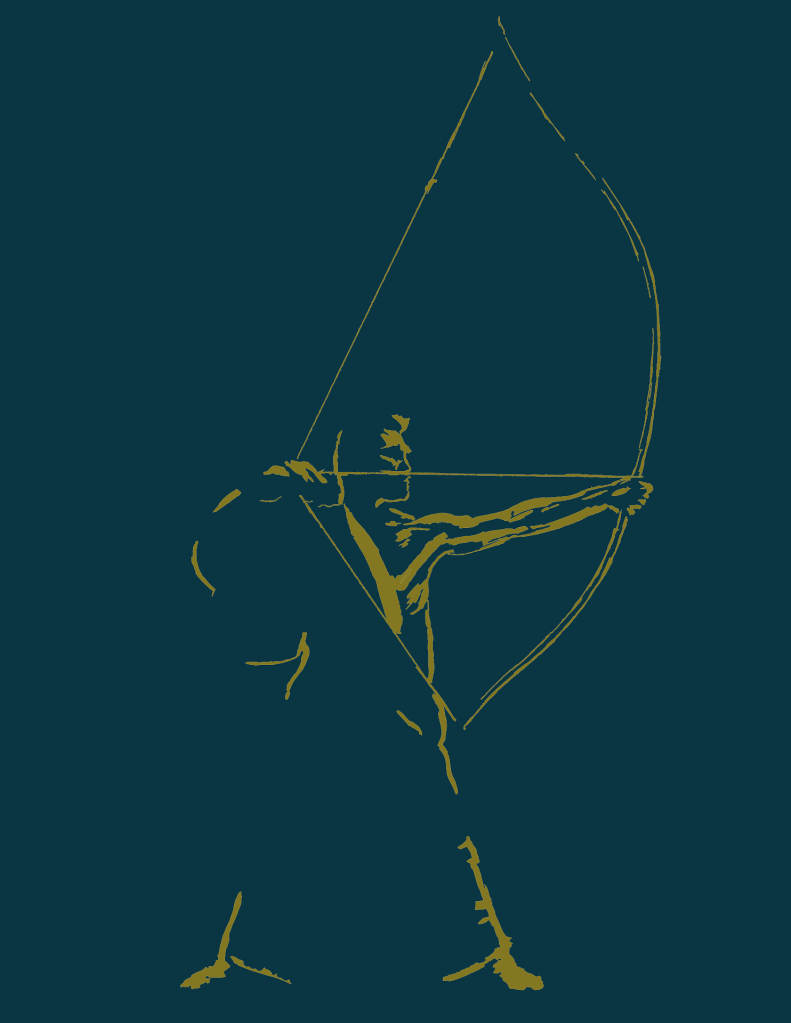
«The right shot at the right moment does not come because you do not let go of yourself. You do not wait for fulfillment, but brace yourself for failure».
Awa Kenzō
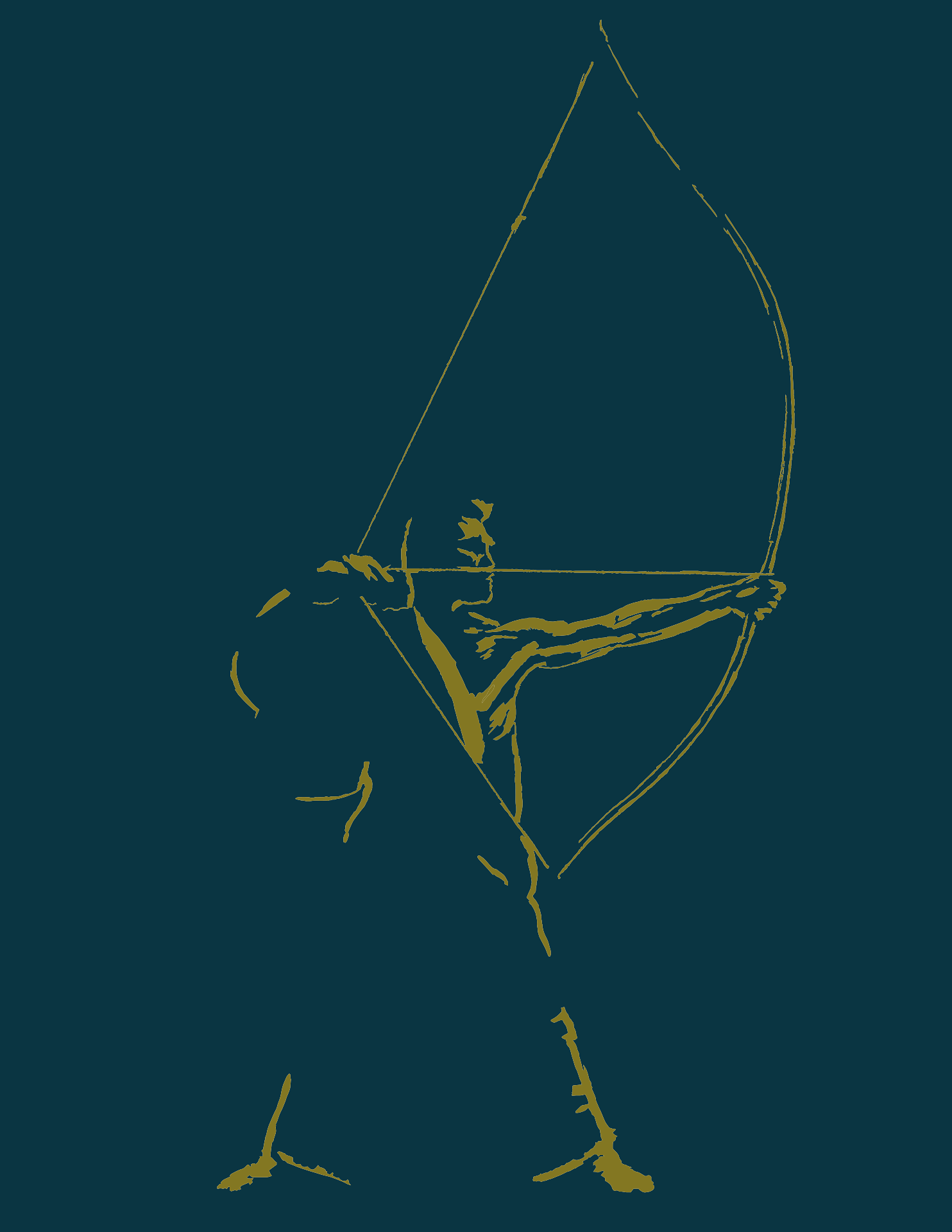
The book is an autobiographical text about the author’s experience in the practice of Kyūdō, also known as Japanese archery, a martial art close to the Zen tradition in Japan. The work reflects on this art and its philosophy, on Zen, the nature of learning and awareness, as well as on success and failure. Thus, although it is an autobiographical text, it is close to the essayistic and philosophical.
It is noteworthy that the author not only tells us in first person his internal and technical experience in this art, but also some of his conversations with his teacher Awa Kenzō and observations as a witness of his teaching with the rest of his disciples.
«The more one concentrates on breathing, the more the external stimuli fade into the background… In due course one even grows immune to larger stimuli, and at the same time detachment from them becomes easier and quicker. Care has only to be taken that the body is relaxed whether standing, sitting or lying, and if one then concentrates on breathing one soon feels oneself shut in by impermeable layers of silence. One only knows and feels that one breathes. And, to detach oneself from this feeling and knowing, no fresh decision is required, for the breathing slows down of its own accord, becomes more and more economical in the use of breath, and finally, slipping by degrees into a blurred monotone, escapes one’s attention altogether».
Eugen Herrigel
Eugen Herrigel’s style is clear and easy to read. Some readers may be exasperated by the learning process narrated in detail by the author, but this is necessary to understand the culmination of his practice. Also, in my opinion, the book is too short to get impatient in that part where he talks about a learning process with its personal failures, difficulties and misunderstandings, as well as its achievements and insights.
About his message, I was not sure how faithful to the Zen tradition the author was maintaining in the text. I had previously read in 2016 a book on Zen called Zen Mind, Beginner’s Mind by Shunryu Suzuki and had noticed some differences. So I decided to do some research and found that a certain Yamada Shōji argued that Herrigel’s concept of Zen was not representative of that philosophy, but was, on the contrary, quite atypical. Although I agree with that argument after reading the book and comparing it with others by Zen masters, I can’t help but point out I found the parts where Herrigel refers to breathing for meditation as well as aspects of detachment to be accurate.
«I learned to lose myself so effortlessly in the breathing that I sometimes had the feeling that I myself was not breathing but—strange as this may sound—being breathed».
Eugen Herrigel
In conclusion, it was a satisfying read. Being able to delve into a person’s learning process is always something that interests me. I would not recommend the book to someone who wants to learn about Zen or the Kyūdō itself. I would encourage those interested in learning about works which have helped spread Eastern philosophy, specifically Buddhism, martial arts and Japanese culture in the West during the 20th century to read it.
I am looking forward to trying this martial art in the future, which I knew was taught in Zaragoza, but I didn’t have time in my agenda to do it. Enough that I had some time to start my Aikido practice during those years in the Aragonese capital. Now that I no longer live there, it remains a dream for the future as I said.
«You only feel it because you haven’t really let go of yourself. It is all so simple. You can learn from an ordinary bamboo leaf what ought to happen. It bends lower and lower under the weight of snow. Suddenly the snow slips to the ground without the leaf having stirred. Stay like that at the point of highest tension until the shot falls from you. So, indeed, it is: when the tension is fulfilled, the shot must fall, it must fall from the archer like snow from a bamboo leaf, before he even thinks it».
Awa Kenzō
Some reflections:
- Have you ever felt this state of passive alertness while performing a manual activity?
- Which martial art would you most like to practice? Why?
- Do you see in general in the Eastern world a greater attention to spirituality in everyday life, in particular in manual or physical activities?
Type your e-mail address and click on subscribe to be notified of new content!
- I overcame the anorexia
- Yo vencí la anorexia
- Pensando en ellos
- Thinking about them
- Saldremos de esta: Guía de salud mental para el entorno de la persona en crisis
- We will get over this: A mental health guide for the environment of the person in crisis
- Traces of Madness: A Graphic Memoir
- Desmesura: Una historia cotidiana de locura en la ciudad
- When I sing, mountains dance
- Canto yo y la montaña baila
Cambia el idioma a:

 arquerociego
Which are the latest blog posts?